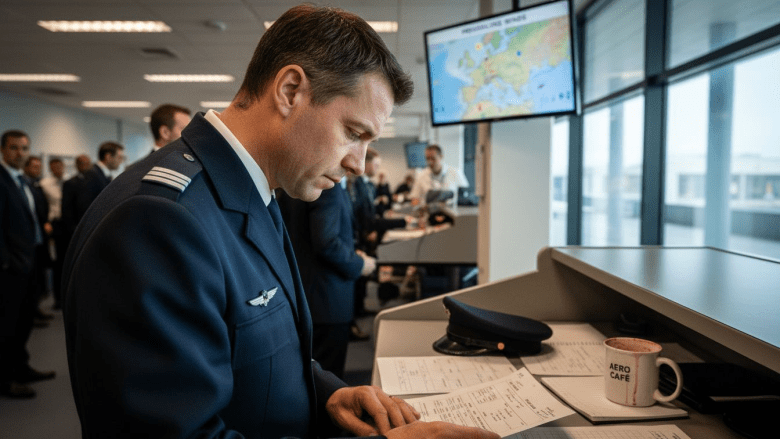
Online collaboration has rapidly reshaped the way aviation professionals connect and share expertise. You might think the magic lies in sheer convenience, but the real impact is much bigger. For example, collaborative digital platforms can reduce communication delays by up to 40 percent in complex aviation operations. That means quicker problem solving, safer skies, and a future where teamwork breaks free from borders.
Table of Contents
- Key Benefits Of Effective Online Collaboration In Aviation
- Top Collaboration Tools For Pilots And Flight Crew
- Best Practices For Virtual Aviation Training Sessions
- Overcoming Common Challenges In Online Teamwork
Quick Summary
| Takeaway | Explanation |
|---|---|
| Leverage global collaboration tools | Use online platforms to enhance communication and data sharing across aviation professionals worldwide. |
| Enhance training efficiency with digital tools | Digital platforms improve access to training and increase skill retention compared to traditional methods. |
| Implement standardised communication protocols | Establish clear communication templates to minimise misunderstandings in remote teamwork environments. |
| Adopt technology for operational management | Use sophisticated platforms to streamline documentation and compliance, ensuring operational efficiency. |
| Prioritise team cohesion in virtual settings | Foster team relationships and engagement through regular virtual activities and transparent communication strategies. |
Key Benefits of Effective Online Collaboration in Aviation
Effective online collaboration has revolutionised professional communication and workflow management in the aviation industry, offering unprecedented opportunities for knowledge sharing, skill development, and operational efficiency. As global aviation networks become increasingly interconnected, digital collaboration tools provide critical advantages that transform how aviation professionals interact, learn, and solve complex challenges.
Enhanced Global Communication and Knowledge Exchange
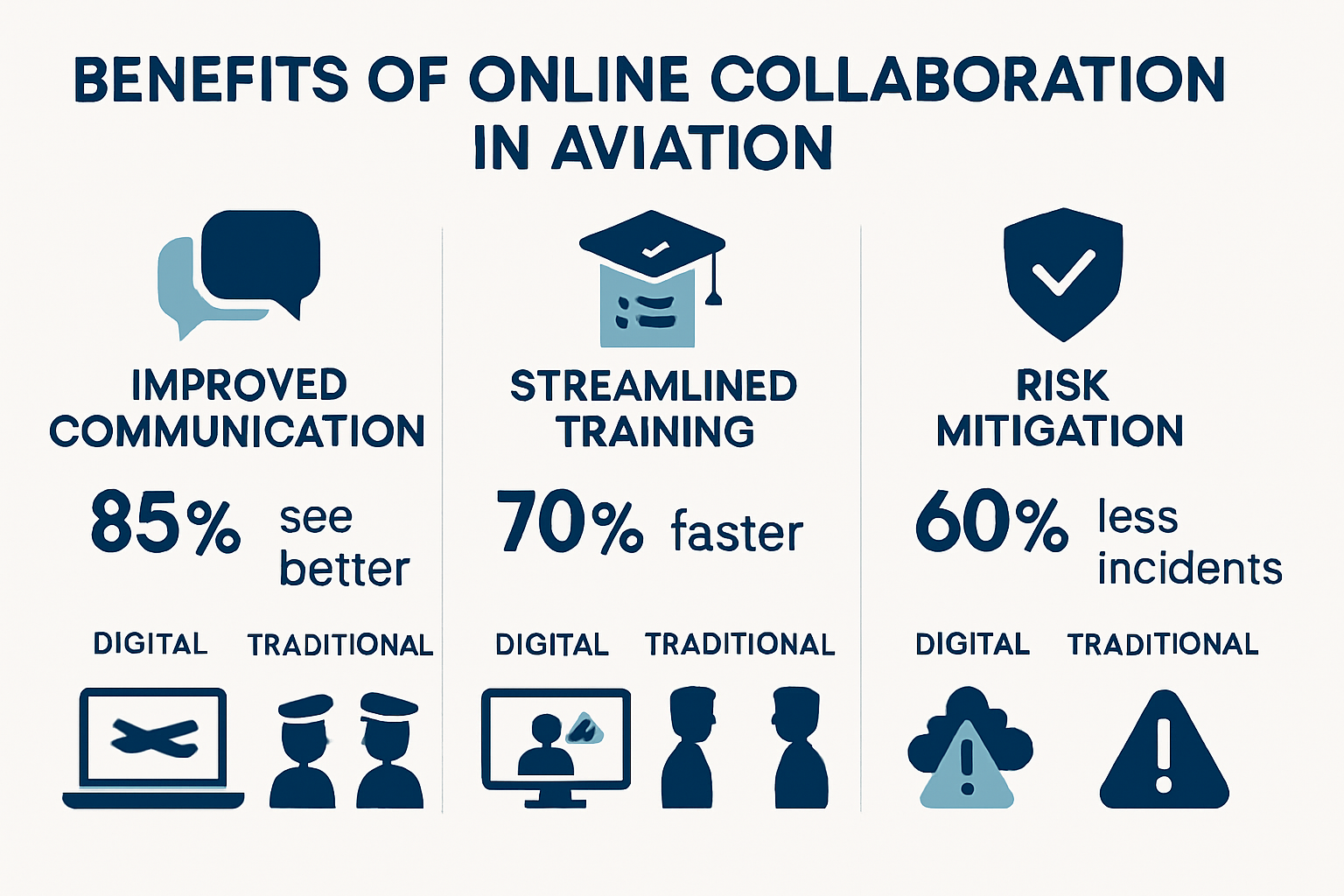
Online collaboration platforms enable aviation professionals to transcend geographical barriers, creating a dynamic ecosystem of communication and expertise. Research from the International Air Transport Association (IATA) demonstrates that collaborative digital platforms can reduce communication delays by up to 40% in complex aviation operations. These platforms allow pilots, air traffic controllers, maintenance engineers, and training professionals to share critical insights, safety protocols, and technical updates instantaneously.
Professionals can participate in virtual forums, webinars, and interactive training sessions that facilitate real-time knowledge transfer. For instance, a pilot in London can immediately share insights about a specific aircraft performance issue with colleagues in Singapore, enabling rapid problem-solving and collective learning.
Streamlined Training and Professional Development
Digital collaboration tools have transformed aviation training methodologies, making professional development more accessible and efficient. Studies from the Royal Aeronautical Society indicate that online collaborative learning environments can increase knowledge retention by approximately 25-30% compared to traditional training methods.
These platforms offer interactive simulations, virtual workshops, and comprehensive online modules that allow aviation professionals to:
- Continuous Learning: Access updated training materials and industry best practices from anywhere in the world
- Skill Verification: Participate in virtual assessments and peer-reviewed competency evaluations
- Mentorship Opportunities: Connect with experienced professionals for guidance and career development
The ability to engage in collaborative learning without geographical constraints means aviation professionals can continuously upgrade their skills, stay current with technological advancements, and maintain high safety standards.
Operational Efficiency and Risk Mitigation
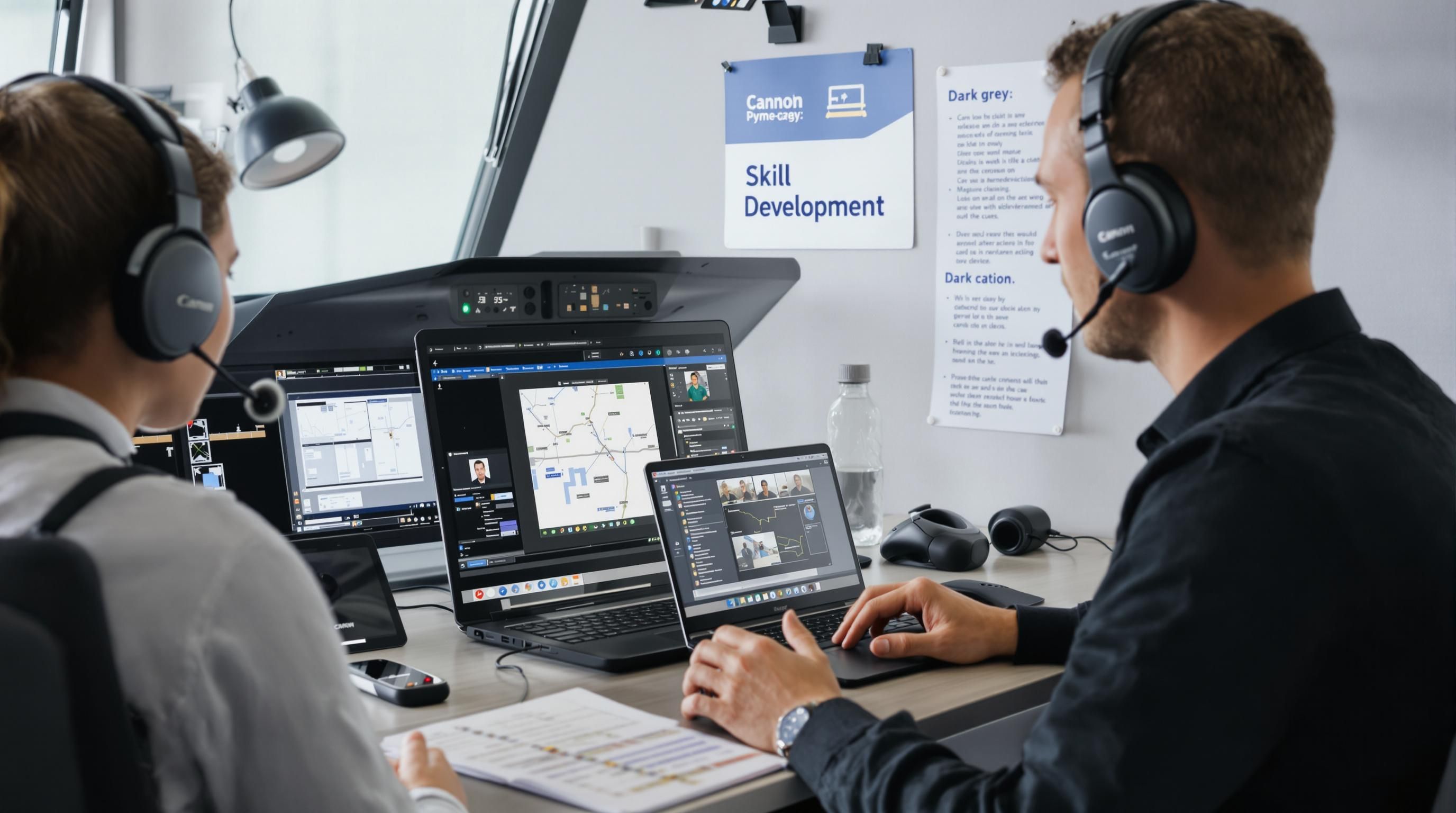
Effective online collaboration directly contributes to improved operational efficiency and enhanced safety protocols in aviation. Digital platforms enable real-time data sharing, incident reporting, and collective problem-solving, which are crucial for maintaining high safety standards.
Collaborative tools allow for:
- Rapid communication of safety alerts
- Instant sharing of maintenance updates
- Quick coordination during emergency scenarios
- Transparent documentation of operational procedures
By creating interconnected networks of professionals who can instantly share critical information, online collaboration becomes a powerful mechanism for proactive risk management and continuous improvement in aviation operations.
The integration of advanced digital collaboration tools represents more than just a technological upgrade. It signifies a fundamental transformation in how aviation professionals communicate, learn, and work together to ensure the highest standards of safety, efficiency, and professional excellence.
To better outline the major benefits described above, the table below summarises the key advantages of effective online collaboration in aviation:
| Benefit | Description | Example Impact |
|---|---|---|
| Reduced Communication Delays | Faster sharing of critical information across global teams | Up to 40% reduction in communication delays in complex ops |
| Improved Knowledge Retention | Enhanced learning outcomes through interactive digital platforms | 25–30% increase vs traditional methods |
| Increased Professional Accessibility | Access to training and industry experts regardless of location | Global participation in webinars and virtual sessions |
| Real-time Operational Coordination | Rapid response to safety issues and incident reporting | Instant alerts and data sharing in emergencies |
| Transparent Documentation & Compliance | Streamlined digital records and compliance management | Automated operational logs and audit trails |
| Continuous Professional Development | Ongoing access to learning and certification opportunities | Peer-reviewed competency evaluation from anywhere |
Top Collaboration Tools for Pilots and Flight Crew
The aviation industry has witnessed a remarkable digital transformation in collaboration technologies, offering sophisticated platforms that enhance communication, training, and operational efficiency for pilots and flight crew. These tools go beyond traditional communication methods, providing integrated solutions that address the unique challenges of aviation professionals.
Professional Communication and Information Sharing Platforms
Research from the International Civil Aviation Organization (ICAO) highlights the critical importance of robust digital communication tools in modern aviation. Several specialised platforms have emerged that cater specifically to aviation professionals, enabling secure and efficient information exchange.
Key professional communication platforms include:
- CrewLounge: A dedicated platform designed for flight crew members, allowing secure messaging, schedule coordination, and professional networking
- AviatorConnect: Provides real-time communication channels for pilots, air traffic controllers, and ground staff
- FlightSync: Offers comprehensive crew management and information sharing capabilities
These platforms integrate advanced security protocols, ensuring that sensitive operational information remains confidential while facilitating seamless communication across different aviation roles and geographical locations.
Virtual Training and Simulation Collaboration Tools
According to the Royal Aeronautical Society, virtual collaboration tools have revolutionised professional training in aviation. Advanced simulation platforms now enable pilots and flight crews to engage in collaborative learning experiences that were previously impossible.
Notable virtual training tools include:
- SimuTeach: Provides immersive multi-user flight simulation environments
- CrewTrainer: Offers interactive scenario-based training modules
- VirtualAirOps: Enables collaborative emergency response and procedural training
These tools allow professionals to participate in complex training scenarios, practice critical procedures, and learn from collective experiences without physical constraints. They support scenario replication, performance analysis, and real-time feedback mechanisms that enhance skill development.
Operational Management and Documentation Platforms
Modern aviation requires sophisticated tools for managing complex operational workflows, documentation, and compliance requirements. Specialised platforms have been developed to address these intricate needs, providing comprehensive solutions for flight crews.
Advanced operational management tools feature:
- Integrated flight planning systems
- Real-time weather and route information sharing
- Digital logbook and reporting mechanisms
- Compliance tracking and documentation management
Platforms like CrewOps and AviationPro offer comprehensive dashboards that allow flight crews to manage multiple operational aspects seamlessly. These tools integrate data from various sources, providing holistic insights that support informed decision-making and enhance overall operational efficiency.
The evolution of collaboration tools in aviation represents a significant technological leap, transforming how professionals communicate, train, and manage complex operational challenges. By leveraging these advanced digital platforms, pilots and flight crews can maintain the highest standards of safety, efficiency, and professional excellence in an increasingly interconnected global aviation ecosystem.
To help readers compare the features and purposes of the top collaboration tools mentioned above, the following table organises tools by category and primary capabilities:
| Tool | Category | Main Features |
|---|---|---|
| CrewLounge | Communication & Info Sharing | Secure messaging, schedule coordination, networking |
| AviatorConnect | Communication & Info Sharing | Real-time comms, ATC-pilot-ground channels |
| FlightSync | Communication & Info Sharing | Crew management, info sharing |
| SimuTeach | Virtual Training & Simulation | Multi-user simulation environments |
| CrewTrainer | Virtual Training & Simulation | Scenario-based training modules |
| VirtualAirOps | Virtual Training & Simulation | Emergency response, procedural simulation |
| CrewOps | Op. Management & Documentation | Flight planning, digital logbook, compliance tracking |
| AviationPro | Op. Management & Documentation | Operational dashboards, integrated documentation management |
Best Practices for Virtual Aviation Training Sessions
Virtual aviation training sessions have become increasingly sophisticated, requiring carefully developed strategies to ensure effective learning and skill development. As technology continues to advance, aviation professionals must adopt comprehensive approaches that maximise the potential of online training environments while maintaining rigorous educational standards.
Technical Preparation and Infrastructure Requirements
Research from the International Air Transport Association (IATA) emphasises the critical importance of robust technical infrastructure for successful virtual training. Aviation professionals must ensure they have reliable hardware and software configurations that support high-quality interactive learning experiences.
Key technical preparation elements include:
- High-Speed Internet Connection: Minimum bandwidth of 50 Mbps for seamless video and simulation streaming
- Professional Audiovisual Equipment: High-definition webcams, noise-cancelling headsets, and calibrated microphones
- Dedicated Training Space: Quiet, well-lit environment with minimal background distractions
Professionals should conduct comprehensive system checks before each training session, ensuring all technological components function optimally. This proactive approach minimises potential technical interruptions and maintains training session continuity.
Interactive Learning and Engagement Strategies
According to the Royal Aeronautical Society, successful virtual aviation training requires deliberate strategies to maintain participant engagement and simulate real-world scenarios. Interactive methodologies are crucial for replicating the immersive learning experiences traditionally found in physical training environments.
Effective engagement techniques include:
- Implementing scenario-based simulation exercises
- Utilising breakout rooms for collaborative problem-solving
- Incorporating real-time polling and interactive assessment tools
- Designing multi-participant decision-making scenarios
Trainers should focus on creating dynamic, interactive sessions that encourage active participation and simulate complex operational challenges. This approach transforms passive learning into an engaging, practical experience that develops critical professional skills.
Performance Monitoring and Continuous Improvement
Virtual training platforms offer unprecedented opportunities for detailed performance tracking and personalised skill development. Advanced digital tools enable instructors to gather comprehensive data about participant performance, learning progression, and specific areas requiring additional focus.
Performance monitoring strategies should encompass:
- Detailed analytics tracking individual and group learning metrics
- Personalised feedback mechanisms
- Adaptive learning pathways based on individual performance
- Comprehensive skills assessment protocols
By leveraging data-driven insights, aviation training professionals can create increasingly refined and targeted learning experiences. This approach ensures that virtual training sessions continuously evolve, addressing emerging industry challenges and maintaining the highest educational standards.
The successful implementation of virtual aviation training requires a holistic approach that balances technological infrastructure, interactive pedagogical strategies, and sophisticated performance monitoring. As the aviation industry continues to embrace digital transformation, professionals who master these virtual training practices will be best positioned to develop exceptional skills and maintain global safety standards.
Overcoming Common Challenges in Online Teamwork
Online teamwork in aviation presents unique challenges that require strategic approaches and innovative solutions. As digital collaboration becomes increasingly integral to professional operations, aviation teams must develop sophisticated mechanisms to address potential communication, coordination, and technological barriers.
Communication and Misinterpretation Risks
Research from the International Civil Aviation Organization (ICAO) highlights that digital communication can introduce significant risks of misunderstanding and information distortion. Aviation professionals must implement robust communication protocols to mitigate these potential challenges.
Effective strategies to enhance digital communication include:
- Standardised Communication Protocols: Developing clear, precise communication templates
- Confirmation Mechanisms: Implementing mandatory acknowledgement and verification processes
- Cultural Sensitivity Training: Understanding diverse communication styles and potential linguistic nuances
By establishing rigorous communication frameworks, teams can reduce ambiguity and ensure critical information is transmitted accurately and comprehensively.
Technological Synchronisation and Compatibility
According to the Royal Aeronautical Society, technological disparities represent a significant obstacle in effective online teamwork. Aviation professionals frequently encounter challenges related to software compatibility, network limitations, and diverse technological infrastructures.
Key approaches to addressing technological synchronisation include:
- Implementing universal collaboration platform standards
- Developing cross-platform communication tools
- Creating comprehensive technological training programmes
- Establishing minimum technological requirement guidelines
Proactive technological alignment ensures smoother information exchange and reduces potential operational disruptions caused by incompatible systems.
Maintaining Team Cohesion and Professional Engagement
Online environments can potentially diminish team dynamics and interpersonal connections that are crucial in high-stakes aviation environments. Professionals must intentionally cultivate virtual team cohesion and maintain strong collaborative relationships despite physical separation.
Strategies for maintaining team engagement include:
- Regular virtual team-building activities
- Structured informal communication opportunities
- Transparent performance tracking and recognition mechanisms
- Psychological support resources for remote professionals
By creating intentional spaces for professional bonding and mutual support, aviation teams can counteract the potential isolation inherent in digital collaboration environments.
Successful online teamwork in aviation requires a multifaceted approach that addresses communication, technological, and interpersonal challenges. Professionals who develop adaptive strategies and maintain a proactive mindset will be best equipped to leverage the transformative potential of digital collaboration tools while ensuring operational excellence and safety standards.
Frequently Asked Questions
What are the key benefits of online collaboration for aviation professionals?
Online collaboration improves communication, enhances training efficiency, and enables operational management, leading to a safer and more effective aviation industry.
How can online tools enhance training for pilots and flight crews?
Digital platforms facilitate interactive learning, continuous access to resources, and immediate feedback, which significantly increases knowledge retention and skill verification compared to traditional training methods.
What are the best collaboration tools available for aviation professionals?
Some of the top tools include CrewLounge for secure messaging, SimuTeach for multi-user simulations, and AviationPro for operational management to streamline communication and training.
How can aviation teams overcome common challenges in online teamwork?
By implementing standardised communication protocols, ensuring technological compatibility, and fostering team cohesion through regular activities, aviation teams can effectively address potential challenges in digital collaboration.
Transform Your Online Collaboration into Real-World Pilot Success
Are you ready to move beyond surface-level online teamwork and truly advance in your aviation career? The article highlights how digital collaboration improves global connection, speeds up knowledge exchange, and brings operational efficiency. But many aspiring pilots still face slow progress and missed training opportunities because their learning is not tailored to international standards or easily accessible. If you are striving for efficient communication, up-to-date training, and flexible professional growth, then you deserve more than just theory—you need practical, certified results.
Take action today with VictorOne’s tailored aviation courses. Our fully online, EASA-approved pilot training provides everything you need to master aviation theory while enjoying genuine flexibility. Whether you are looking for ATPL(A) licensing, ICAO English proficiency, or bridge courses for experienced pilots, you will find interactive materials, live consultations, and exam support at https://victorone.eu. Do not wait for the next opportunity to pass by—join a proven platform trusted by pilots worldwide and start building your professional edge now.