Over 90 percent of aviation incidents are linked to system mismanagement or technological failure according to recent studies. Modern aircraft rely on a web of complex systems, each one vital for safe and efficient flight. For pilots and aviation professionals, understanding how these mechanical, electrical, and electronic components work together is not just technical jargon but a key factor in flight safety and operational reliability. This guide breaks down core aircraft systems, their roles, and why every detail matters in the cockpit.
Table of Contents
Key Takeaways
| Point | Details |
| Aircraft Systems Overview | Aircraft systems include electrical, hydraulic, avionics, and propulsion systems essential for safe flight operations. Understanding their interconnectivity is crucial for pilots. |
| Regulatory Framework | EASA regulations define maintenance and certification requirements for aircraft systems, ensuring ongoing safety and performance through strict oversight. |
| Pilot Responsibilities | Pilots must actively manage systems, applying Threat and Error Management principles to identify and mitigate operational risks. Continuous situational awareness is key. |
| Common Errors | Awareness of potential operational errors—such as handling, procedural issues, and miscommunications—is vital for maintaining flight safety. Effective training can help mitigate these errors. |
Aircraft Systems: Definition and Core Concepts
Aircraft systems represent the intricate network of interconnected mechanical, electrical, and electronic components that enable an aircraft to operate safely and efficiently. According to EASA, these systems encompass critical domains including structural, mechanical, electrical, avionic, engine, and propeller systems. Understanding these fundamental systems is crucial for pilots to comprehend the complex machinery that keeps an aircraft flying.
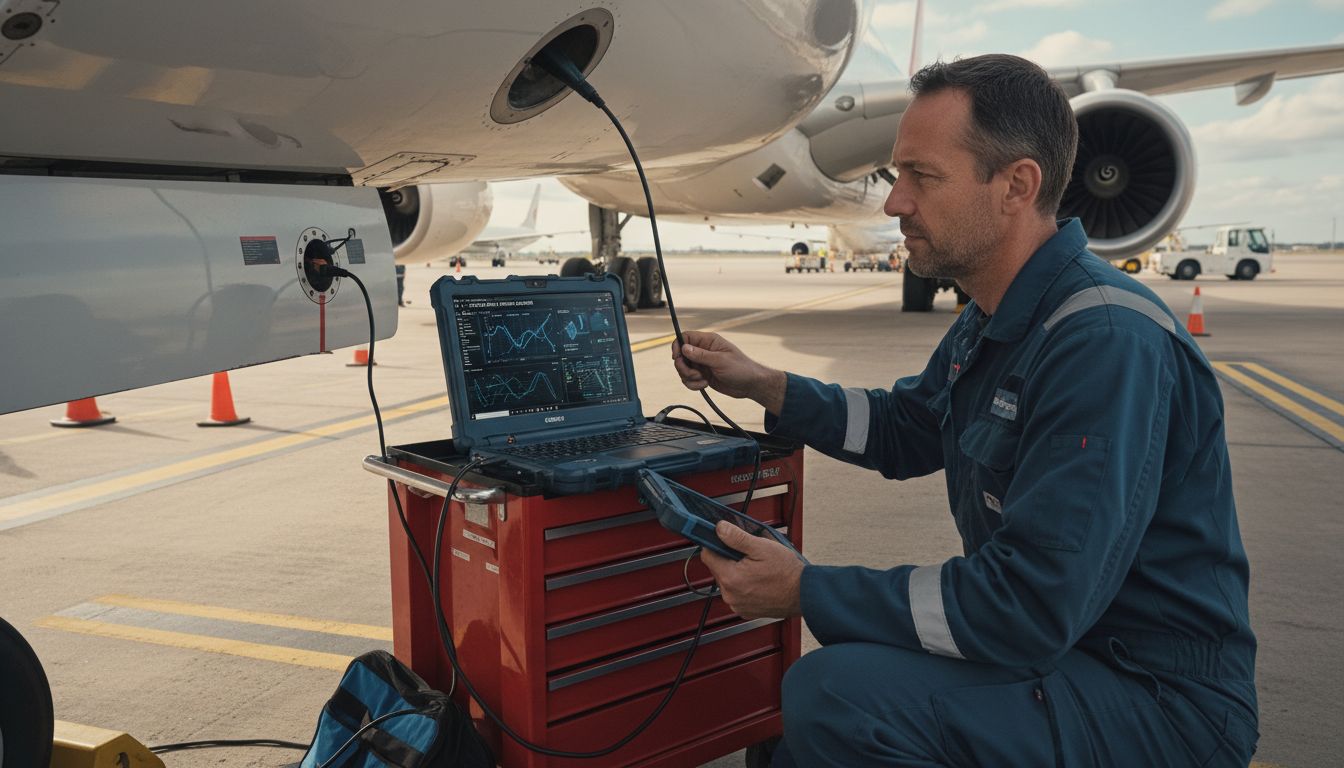
The European regulatory framework, specifically the EASA Easy Access Rules for Continuing Airworthiness, categorizes aircraft systems into several functional groups:
-
Electrical Systems: Power generation, distribution, and management
-
Hydraulic Systems: Fluid power transmission for control surfaces
-
Pneumatic Systems: Pressurization and environmental control
-
Avionics Systems: Navigation, communication, and flight instruments
-
Propulsion Systems: Engine performance and control mechanisms
-
Flight Control Systems: Mechanical and electronic mechanisms governing aircraft movement
Each system plays a critical role in aircraft operation, with multiple backup and redundancy mechanisms designed to ensure maximum safety. These systems work in concert, with complex interactions that require pilots to understand not just individual component functions, but how they integrate and support each other during different flight phases. Modern aircraft rely on sophisticated electronic interfaces that monitor and manage these systems in real-time, providing pilots with comprehensive situational awareness and system health information.
Major Aircraft System Types Explained
Aircraft systems are complex networks of interconnected technologies that ensure safe and efficient flight operations. According to EASA, the maintenance licence categories C1–C22 provide a comprehensive classification of major aircraft system types, which pilots and maintenance professionals must understand thoroughly.
The primary aircraft system types include:
-
Auto-Flight Systems: Responsible for aircraft navigation and autopilot functions
-
Communication and Navigation Systems: Enabling radio communication and precise positioning
-
Electrical Power Systems: Generating and distributing electrical energy throughout the aircraft
-
Flight Control Systems: Managing aircraft movement and stability
-
Fuel Systems: Storing, managing, and distributing fuel efficiently
-
Hydraulic Power Systems: Providing mechanical power for various aircraft components
-
Ice/Rain/Fire Protection Systems: Ensuring safety in diverse environmental conditions
-
Landing Gear Systems: Managing takeoff, landing, and ground operations
According to the European Plan for Aviation Safety, specialized systems like ACAS (Airborne Collision Avoidance System), ACNS (Airborne Communications, Navigation and Surveillance), and AFCS (Automatic Flight Control System) represent advanced technological integrations that enhance flight safety and operational efficiency. Modern aircraft rely on intricate interactions between these systems, with redundant mechanisms and sophisticated electronic interfaces providing real-time monitoring and comprehensive situational awareness for pilots.
For pilots seeking to understand aviation safety procedures more comprehensively, mastering the intricacies of these aircraft systems is not just a technical requirement, but a fundamental aspect of ensuring safe and reliable flight operations.
How Aircraft Systems Function in Flight
During flight, aircraft systems operate in a complex, interdependent network that ensures safe and efficient operations. According to EASA’s Easy Access Rules, the operational functionality of aircraft systems encompasses critical components including flight control systems, electrical power generation, hydraulic actuation, fuel management, and environmental control mechanisms.
The primary operational dynamics of aircraft systems involve multiple simultaneous processes:
-
Flight Control Systems: Manage aircraft orientation, stability, and movement through mechanical and electronic interfaces
-
Electrical Power Systems: Generate and distribute electrical energy to power critical onboard electronics
-
Hydraulic Systems: Provide mechanical force for control surface movements, landing gear operations, and brake systems
-
Fuel Management Systems: Regulate fuel distribution, monitor consumption, and ensure balanced weight distribution
-
Environmental Control Systems: Maintain cabin pressure, temperature, and air quality
Each system includes multiple redundancy mechanisms to ensure continuous operation, with sophisticated electronic interfaces providing real-time monitoring and automatic fault detection. These integrated systems communicate continuously, allowing pilots to receive comprehensive situational awareness through cockpit instrumentation. When one system experiences a potential issue, backup systems and fail-safe protocols activate immediately to maintain flight safety.
Pilots looking to understand radio communication in aviation will recognize that effective system management relies not just on technological integration, but also on precise communication and quick decision-making in dynamic flight environments.
EASA Regulations for Aircraft Systems
The European Aviation Safety Agency (EASA) maintains comprehensive regulatory frameworks that govern aircraft system standards, ensuring maximum safety and operational reliability across European aviation. According to EASA’s Easy Access Rules for Continuing Airworthiness, Regulation (EU) No 1321/2014 systematically defines critical system categories and their respective maintenance and certification requirements.
Key regulatory aspects of aircraft systems under EASA guidelines include:
-
System Categorization: Precise classification of aircraft systems for targeted regulation
-
Maintenance Standards: Detailed protocols for system inspection, maintenance, and repair
-
Certification Requirements: Rigorous standards for system design, performance, and reliability
-
Airworthiness Compliance: Comprehensive guidelines ensuring ongoing system safety and functionality
-
Periodic Evaluation: Regular assessment of system performance and potential improvement areas
The regulatory framework establishes multiple layers of oversight, requiring detailed documentation, strict maintenance schedules, and continuous monitoring of aircraft systems. These regulations mandate that every system component meet exacting standards, with specific attention to redundancy, fail-safe mechanisms, and comprehensive performance tracking. Pilots and maintenance professionals must demonstrate thorough understanding of these regulations to ensure compliance and maintain the highest levels of aviation safety.
Aspiring pilots preparing for their aviation career can learn essential steps for EASA ATPL exams, which include in-depth understanding of these critical regulatory frameworks governing aircraft systems.
Pilot Responsibilities and Common System Errors
Pilots bear critical responsibilities in managing aircraft systems and mitigating potential operational risks. According to EASA’s Easy Access Rules for Aircrew, Regulation EU No 1178/2011 outlines comprehensive guidelines for system operation, emphasizing the importance of monitoring, managing abnormal situations, and applying Threat and Error Management (TEM) principles.
The primary categories of system errors pilots must understand include:
-
Aircraft Handling Errors: Incorrect manipulation of flight controls
-
Procedural Errors: Deviation from standard operating procedures
-
Communication Errors: Miscommunication between crew members or with ground control
-
Technical System Misinterpretation: Misunderstanding instrument readings or system warnings
-
Decision-Making Errors: Inappropriate responses to complex situations
The EASA regulations introduce a systematic approach to error management, requiring pilots to develop robust strategies for identifying, responding to, and mitigating potential system failures. This involves continuous situational awareness, thorough understanding of aircraft systems, and the ability to make rapid, informed decisions under pressure. Pilots must consistently demonstrate the capacity to recognize undesired aircraft states and implement immediate corrective actions to ensure flight safety.
Pilots seeking to enhance their understanding of these critical responsibilities can explore human factors in aviation, which provides deeper insights into the psychological and cognitive aspects of error prevention and management in complex flight environments.
Master Aircraft Systems with Confidence Through Expert Online Training
Understanding the complexities of aircraft systems is a major challenge for many aspiring pilots. From mastering flight control systems to grasping the nuances of avionics and fuel management, the technical details can feel overwhelming. This article highlights just how essential deep knowledge of electrical, hydraulic, and communication systems is for ensuring safe and efficient flight operations. If you find yourself wanting clearer guidance on these vital concepts and how to manage potential system errors effectively, you are not alone.
VictorOne offers a comprehensive pathway to mastering these challenges with flexible, EASA-approved theoretical courses tailored to aviation professionals worldwide. Explore our dedicated Aircraft section where you can deepen your understanding of core systems and operational procedures. Enhance your readiness for pilot licensing exams and real-world situations through our interactive online training and expert consultations. Start elevating your aviation career now by visiting VictorOne and access expert resources to confidently handle aircraft systems and excel as a safety-focused pilot. For those seeking structured learning, our full Academy programmes provide the essential knowledge to achieve expert-level proficiency in aircraft systems and beyond.
Frequently Asked Questions
What are the main types of aircraft systems?
The main types of aircraft systems include auto-flight systems, communication and navigation systems, electrical power systems, flight control systems, fuel systems, hydraulic power systems, ice/rain/fire protection systems, and landing gear systems.
How do aircraft systems function during flight?
Aircraft systems operate through a complex network that manages flight control, generates electrical power, regulates fuel management, and maintains environmental control, all while ensuring continuous operation through redundant mechanisms and real-time monitoring.
What role do pilots play in managing aircraft systems?
Pilots are responsible for monitoring and managing aircraft systems, responding to abnormal situations, and applying Threat and Error Management principles to ensure safety and effective operation during flights.
What regulations govern aircraft systems in Europe?
The European Aviation Safety Agency (EASA) regulates aircraft systems through comprehensive frameworks that define system categorization, maintenance standards, certification requirements, airworthiness compliance, and periodic evaluation to ensure operational reliability and safety.