A single british innovation can redefine cockpit operations, and over 60 percent of pilot trainees now rely on advanced simulation technologies for their studies. Central European pilots face a world where technology and aviation are becoming tightly woven together, demanding new skills to stay ahead. Discover how emerging aviation advancements open doors to smarter training, improved career prospects, and a more sustainable future in the skies.
Table of Contents
- Defining Emerging Aviation Technologies Today
- Main Innovations: Sustainability, Autonomy, Digitalisation
- Integration of Technology in Pilot Training
- EASA Regulations and Compliance for New Tech
- Opportunities, Risks and Skills for Pilots
Key Takeaways
| Point | Details |
|---|---|
| Emerging Aviation Technologies are Transformative | Innovations like autonomous systems and electric propulsion are fundamentally reshaping pilot training and aircraft operations. |
| Focus on Sustainability and Digitalisation | The industry is prioritising eco-friendly technologies and digital solutions to enhance efficiency and align with climate goals. |
| Evolving Pilot Skill Sets Required | Modern pilots must possess a combination of traditional flying skills and advanced digital competencies to navigate new technological ecosystems. |
| Regulatory Adaptation is Key | EASA is adapting regulations to incorporate new technologies, ensuring quality training while embracing innovation in pilot education. |
Defining Emerging Aviation Technologies Today
Emerging aviation technologies represent a dynamic fusion of cutting-edge innovations transforming how pilots train, navigate, and operate aircraft. These technological advancements are fundamentally reshaping the aviation landscape, introducing sophisticated systems that enhance safety, efficiency, and operational capabilities. From autonomous flight management to advanced simulation technologies, the sector is experiencing unprecedented technological evolution.
The global aviation industry is witnessing remarkable technological breakthroughs, with particular emphasis on sustainability and digital transformation. Technological innovations in sustainable aviation are driving significant changes, encompassing electric propulsion, advanced composite materials, and sophisticated autonomous systems. Central European aviation professionals are particularly positioned to leverage these emerging technologies, integrating sophisticated digital solutions that enhance pilot training and operational effectiveness.
Key emerging aviation technologies currently transforming pilot training include:
- Autonomous Flight Systems: Advanced computer-controlled navigation technologies
- Electric Propulsion: Environmentally sustainable aircraft power solutions
- Advanced Simulation Technologies: Highly realistic training environments
- Digital Risk Assessment Methods: Sophisticated predictive safety analytics
- Composite Material Innovations: Lightweight, high-performance aircraft design
These technological developments are not merely incremental improvements but represent fundamental shifts in aviation paradigms. Comprehensive technological assessments indicate that emerging technologies will dramatically reshape pilot training, operational protocols, and aircraft design in the coming decades.
The table below summarises how emerging aviation technologies are influencing key industry goals:
| Technology Area | Impact on Safety | Contribution to Sustainability | Role in Digital Transformation |
|---|---|---|---|
| Autonomous Systems | Reduces pilot error risk | Supports fuel-efficient operations | Enables automation and smart data |
| Electric Propulsion | Lowers risk of fuel fires | Removes carbon emissions | Requires digital battery management |
| Simulation Technologies | Enhances emergency training | Indirect fuel and emissions savings | Updates traditional learning methods |
| Composite Materials | Improves structural safety | Reduces aircraft weight for efficiency | Digitises production and inspection |
Pro tip: Stay current with emerging aviation technologies by dedicating at least two hours weekly to professional development courses and technological research publications.
Main Innovations: Sustainability, Autonomy, Digitalisation
The aviation industry is experiencing a profound transformation driven by three interconnected technological pillars: sustainability, autonomy, and digitalisation. These innovations are not merely incremental improvements but represent fundamental shifts in how aircraft are designed, operated, and managed. Digital transformation trends in aviation are fundamentally reshaping operational strategies, with a particular focus on aligning technological advancements with global climate objectives.
Sustainability emerges as a critical driver of technological innovation, compelling aviation professionals to reimagine traditional approaches. Electric propulsion systems, lightweight composite materials, and advanced aerodynamic designs are reducing carbon emissions while maintaining high performance standards. Technology-driven innovations are creating new professional roles and skill requirements, particularly in Central European aviation markets, where green competencies and digital expertise are becoming increasingly valuable.
Key innovations across these domains include:
- Green Propulsion Technologies: Hydrogen and electric power systems
- Autonomous Flight Control: Advanced AI-driven navigation platforms
- Digital Risk Management: Predictive analytics and real-time safety monitoring
- Adaptive Learning Systems: Intelligent simulation technologies
- Sustainable Aircraft Design: Lightweight, energy-efficient materials and structures
These technological advancements are fundamentally disrupting traditional aviation paradigms, creating new opportunities for pilots, engineers, and aviation professionals to develop sophisticated, sustainable, and digitally integrated skill sets. The convergence of these technologies promises a more efficient, safe, and environmentally responsible aviation ecosystem.
Pro tip: Develop a multidisciplinary approach by continuously learning across sustainability, digital technologies, and autonomous systems to remain competitive in the evolving aviation landscape.
Integration of Technology in Pilot Training
Technology is fundamentally transforming pilot training, introducing sophisticated digital tools that revolutionise traditional learning methodologies. Immersive technologies in aviation education are creating unprecedented opportunities for more effective, engaging, and comprehensive pilot preparation, leveraging advanced simulation platforms and interactive learning environments.
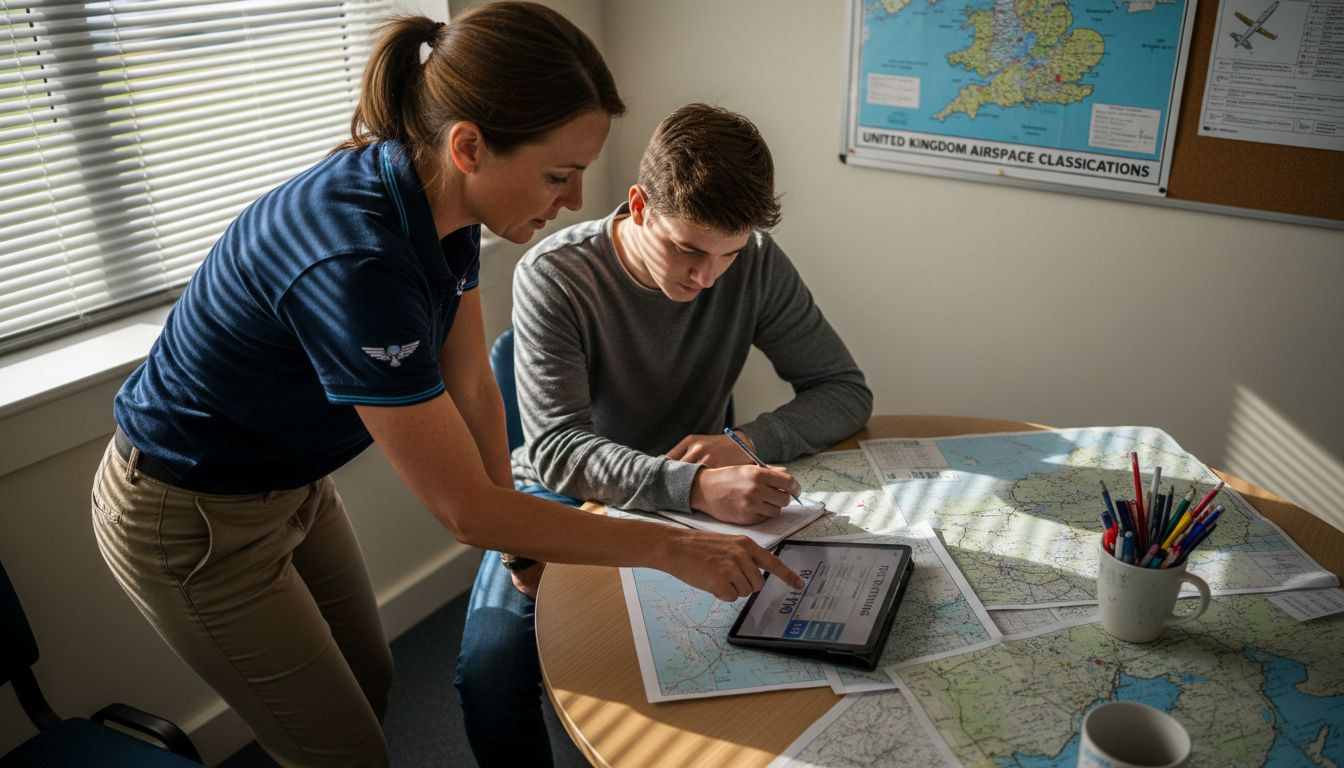
Artificial intelligence and virtual reality are emerging as game-changing technologies in pilot training curricula. Artificial intelligence applications in pilot training are enabling more personalised, adaptive learning experiences that can simulate complex flight scenarios with remarkable precision. These technologies allow trainees to experience challenging environmental conditions, emergency procedures, and advanced navigation techniques in completely safe, controlled digital environments.
Key technological integration approaches in modern pilot training include:
- Immersive Simulation Platforms: Advanced virtual reality flight environments
- AI-Driven Performance Analysis: Intelligent systems tracking skill development
- Cloud-Based Learning Management: Flexible, accessible training resources
- Real-time Skill Assessment Technologies: Adaptive learning algorithms
- Interactive Digital Courseware: Multimedia-rich theoretical training modules
Modern pilot training is increasingly about blending traditional knowledge with cutting-edge technological tools. The integration of digital technologies enables more efficient, precise, and comprehensive learning experiences that prepare pilots for the complex, technology-driven aviation landscape of the future.
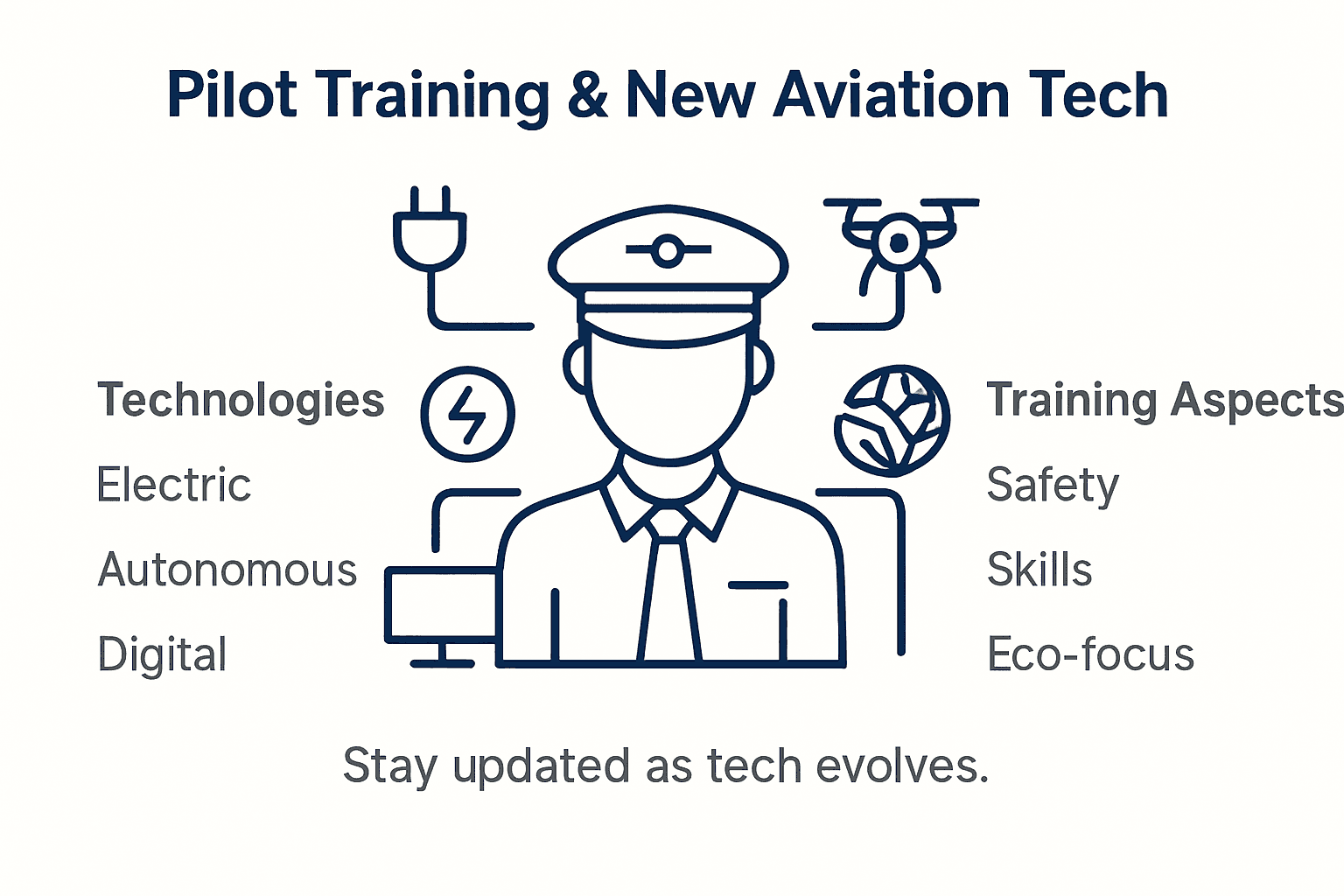
The following table compares traditional pilot training with technology-enhanced training:
| Training Aspect | Traditional Approach | Technology-Enhanced Approach |
|---|---|---|
| Learning Environment | Physical classrooms | Virtual reality and simulators |
| Skill Assessment | Manual instructor marking | AI-driven, real-time evaluation |
| Accessibility | Fixed training schedules | On-demand, cloud-based platforms |
| Scenario Complexity | Limited real-world exposure | Simulated emergencies and variables |
Pro tip: Actively seek out institutions offering technology-enhanced training programmes that combine traditional instruction with advanced digital learning platforms.
EASA Regulations and Compliance for New Tech
The European Aviation Safety Agency (EASA) is continuously adapting its regulatory framework to accommodate rapid technological advancements in pilot training and aviation technologies. Proposed amendments to EU Aircrew Regulations are fundamentally reshaping how emerging technologies are integrated into professional pilot preparation, creating more flexible and innovative training pathways.
Recent regulatory shifts demonstrate EASA’s commitment to embracing technological innovation while maintaining rigorous safety standards. Innovative training technology recognition is particularly evident in the agency’s new approach to training devices, which now acknowledges virtual reality and advanced simulation technologies as legitimate training platforms, especially for specialised sectors like helicopter pilot training.
Key regulatory compliance considerations for new aviation technologies include:
- Technology Validation: Rigorous assessment of training device effectiveness
- Safety Performance Standards: Maintaining high-fidelity training requirements
- Standardised Skill Evaluation: Consistent performance measurement across platforms
- Continuous Technology Assessment: Regular review of emerging training methods
- Adaptive Regulatory Frameworks: Flexible approach to technological integration
The evolving regulatory landscape reflects a balanced approach, ensuring that technological innovations enhance rather than compromise training quality. EASA’s progressive stance allows for continuous improvement while maintaining the highest safety and performance standards in pilot education.
Pro tip: Stay informed about the latest EASA regulatory updates by subscribing to official communication channels and participating in professional aviation technology forums.
Opportunities, Risks and Skills for Pilots
The aviation industry is undergoing a profound transformation, presenting pilots with unprecedented opportunities and challenges in an increasingly technology-driven landscape. Emerging technological shifts in aviation career pathways are fundamentally reshaping professional requirements, demanding a new breed of pilot who combines traditional flying skills with advanced digital competencies.
Artificial intelligence and automation are creating complex dynamics that require pilots to develop sophisticated adaptive skills. Comprehensive analysis of AI risks and pilot competence highlights the critical need for professionals who can effectively interface with advanced technological systems while maintaining ultimate operational responsibility. This evolving environment demands pilots who are not just technical experts but also agile learners capable of navigating increasingly complex technological ecosystems.
Key skills and competencies for modern pilots include:
- Digital Literacy: Advanced technological understanding
- Adaptive Problem Solving: Complex systems management
- Human-Machine Interaction: Seamless technological integration
- Green Technology Proficiency: Sustainable aviation skills
- Cybersecurity Awareness: Technological risk management
The future of aviation demands pilots who are technologically savvy, environmentally conscious, and capable of thriving in rapidly changing professional environments. Continuous learning, technological adaptability, and a proactive approach to skill development will be crucial for success in this dynamic industry.
Pro tip: Invest at least ten hours monthly in cross-disciplinary technological training to remain competitive in the evolving aviation job market.
Embrace the Future of Pilot Training with VictorOne
The rapid rise of emerging aviation technologies is reshaping pilot training through sustainable methods, immersive simulations, and digital transformation. If you aspire to master the essential skills required to thrive in this evolving landscape, it is crucial to access training that embraces these innovations. VictorOne’s Academy – VictorOne provides a fully online, flexible learning environment that aligns with EASA-approved standards, helping you develop proficiency in advanced digital and sustainable aviation concepts.
Take control of your aviation career by choosing training that integrates the latest technology with comprehensive theoretical knowledge. Explore VictorOne’s specialised courses, from ATPL licensing to ICAO English proficiency, all designed to prepare you for the complexities of modern flight operations. Visit VictorOne.eu now to start your journey and stay ahead in the fast-changing world of aviation technology. Discover practical insights and detailed aircraft knowledge with Aircraft – VictorOne to further complement your learning.
Frequently Asked Questions
What are the key emerging technologies currently influencing pilot training?
Key technologies include autonomous flight systems, electric propulsion, advanced simulation technologies, digital risk assessment methods, and composite material innovations.
How is technology enhancing the safety of pilot training?
Technology enhances safety by reducing pilot error through autonomous systems, improving structural safety with composite materials, and providing realistic emergency training through advanced simulation.
What role does digital transformation play in pilot training?
Digital transformation introduces advanced tools such as AI-driven performance analysis and cloud-based learning management systems, which facilitate personalised learning experiences and accessible training resources.
How are EASA regulations adapting to emerging aviation technologies?
EASA regulations are evolving to recognise innovative training devices, such as virtual reality systems, ensuring rigorous assessment of their effectiveness while maintaining high safety and performance standards.