More than half of aviation professionals now rely on online language training to meet rigorous global standards, with british pilots and air traffic controllers facing particularly high expectations. Mastering precise communication is crucial in international airspace, where a single misunderstanding can impact safety and efficiency. This guide unpacks how targeted digital language programmes empower aviation experts to achieve the advanced English proficiency and technical clarity required for successful careers.
Table of Contents
- Understanding Online Language Learning Concepts
- Methods and Resources for Remote Language Study
- Importance of English Proficiency in Aviation
- icao Language Standards and Pilot Requirements
- Overcoming Common Challenges and Pitfalls
Key Takeaways
| Point | Details |
|---|---|
| Importance of Personalised Learning | Effective online language learning programmes for aviation professionals must tailor content to individual needs using adaptive technologies. |
| Focus on Practical Communication Skills | Mastery of technical vocabulary and complex communication protocols is essential for ensuring safety and clarity in aviation operations. |
| Integration of Interactive Tools | Interactive multimedia resources and real-time feedback enhance language acquisition and engagement for aviation professionals. |
| Continuous Development Required | Language proficiency in aviation is dynamic, necessitating ongoing practice and exposure to maintain communication effectiveness. |
Understanding Online Language Learning Concepts
Online language learning for aviation professionals represents a sophisticated digital educational ecosystem designed to transform linguistic capabilities through targeted, interactive approaches. Interactive learning methods in aviation English courses have demonstrated remarkable potential in boosting language proficiency and professional communication skills essential for global aviation standards.
The fundamental architecture of digital language acquisition involves several interconnected strategies that transcend traditional classroom methodologies. Corpus-informed learning emerges as a critical framework, utilising authentic linguistic input and specialised vocabulary tailored specifically to aviation communication contexts. Data-driven material design enables learners to engage with precise technical language variations characteristic of professional aviation interactions.
Key characteristics of effective online language learning for aviation professionals include:
- Personalised learning pathways
- Interactive multimedia resources
- Real-time pronunciation and grammar feedback
- Contextualised professional communication scenarios
- Adaptive learning technologies that adjust to individual progress
Successful digital language programmes recognise that aviation communication demands extraordinary precision. These platforms integrate sophisticated diagnostic tools that assess learner performance across multiple linguistic dimensions, ensuring that pilots, air traffic controllers, and other aviation professionals develop communication skills matching international regulatory requirements. The goal extends beyond mere language comprehension to achieving nuanced, context-specific communicative competence in high-stakes professional environments.
Methods and Resources for Remote Language Study
Remote language study for aviation professionals requires a strategic approach that combines advanced digital technologies with meticulously designed learning frameworks. Aviation language training curricula guidelines established by regulatory bodies provide essential structural foundations for developing comprehensive online learning experiences that meet international communication standards.
The primary methods for effective remote language acquisition in aviation contexts encompass several sophisticated approaches. Synchronous and asynchronous learning platforms offer flexible educational pathways, enabling professionals to engage with specialised language content at their own pace. International professional associations provide comprehensive training guidelines that support structured online learning environments designed specifically for aviation communication skill development.
Key methodological components of successful remote language study include:
- Interactive multimedia language modules
- Virtual conversation simulation environments
- Pronunciation and technical vocabulary assessment tools
- Professional communication scenario training
- Real-time linguistic performance tracking systems
Successful remote language programmes recognise the critical importance of tailoring content to aviation-specific communication requirements. These platforms integrate advanced diagnostic tools that assess learner performance across multiple linguistic dimensions, ensuring that aviation professionals develop precise, context-specific communicative competencies. The ultimate objective extends beyond basic language comprehension to achieving nuanced professional communication skills that meet rigorous international regulatory standards.
Importance of English Proficiency in Aviation
English proficiency represents a critical competency for aviation professionals, serving as the primary communication mechanism in global aviation operations. Specific linguistic expectations for aviation communication mandate precise verbal interactions that ensure safety, clarity, and operational efficiency across international aerospace environments. Professionals must demonstrate exceptional communication skills capable of managing complex scenarios with exceptional linguistic accuracy.
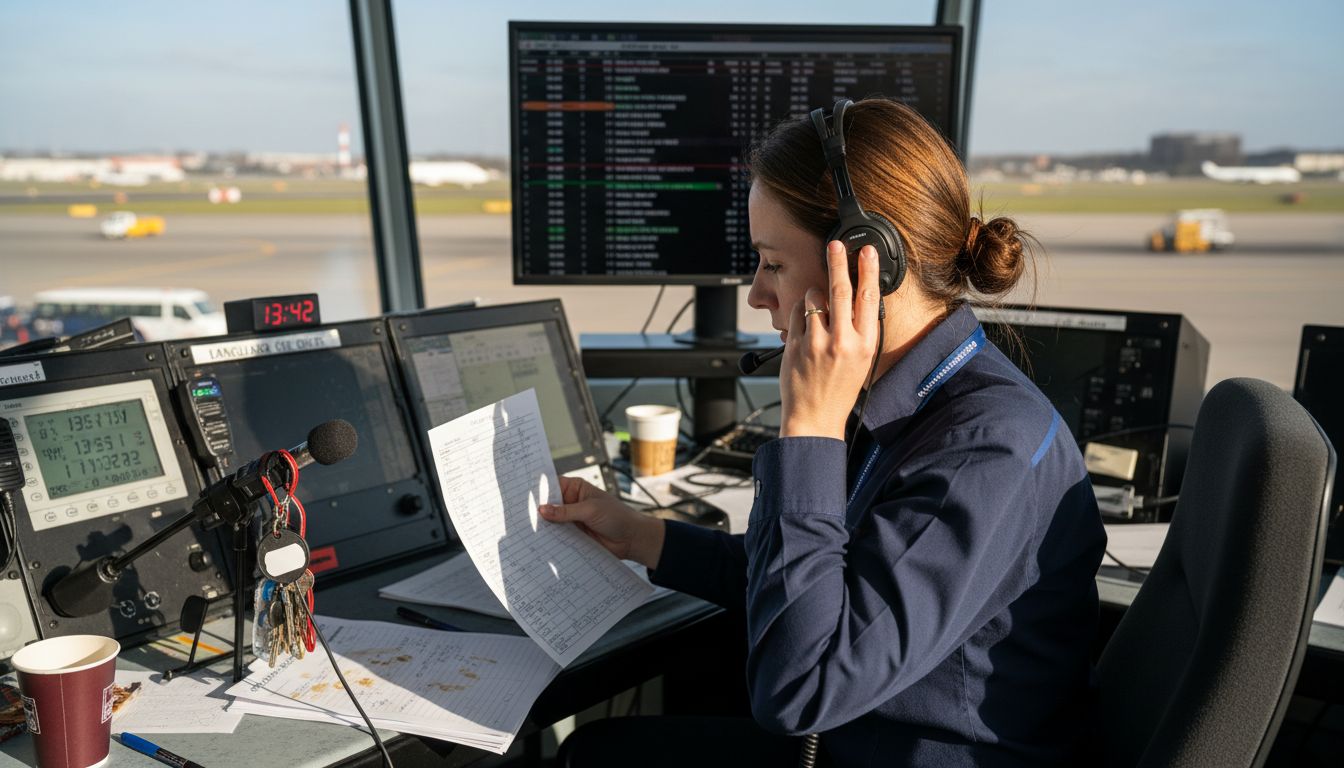
The international aviation community has established rigorous standards that require professionals to master technical communication protocols. Aviation language proficiency tests evaluate a candidate’s ability to communicate effectively in voice-only situations, handle unexpected events, and maintain clear workplace dialogue. These assessments go beyond traditional language examinations, focusing specifically on aviation-related communication scenarios.
Key aspects of English proficiency in aviation include:
- Clear pronunciation and accent comprehension
- Technical vocabulary mastery
- Ability to communicate during high-stress scenarios
- Understanding complex radio communication protocols
- Interpreting and responding to nuanced instructions
Successful aviation professionals recognise that language proficiency extends far beyond basic communication. It represents a critical safety mechanism that enables precise information exchange, reduces misunderstandings, and supports seamless international collaboration. Comprehensive aviation technical English preparation ensures that professionals can navigate complex communication challenges with confidence and precision, ultimately contributing to safer and more efficient global aviation operations.
ICAO Language Standards and Pilot Requirements
International aviation regulations establish stringent language proficiency standards that pilots must meet to ensure safe and effective global communication. Regulatory requirements for aircrew language endorsements mandate that pilots demonstrate a minimum operational English language proficiency level to obtain and maintain their professional licences. These standards go beyond basic communication skills, focusing on precise technical comprehension and articulation in high-stakes aviation environments.
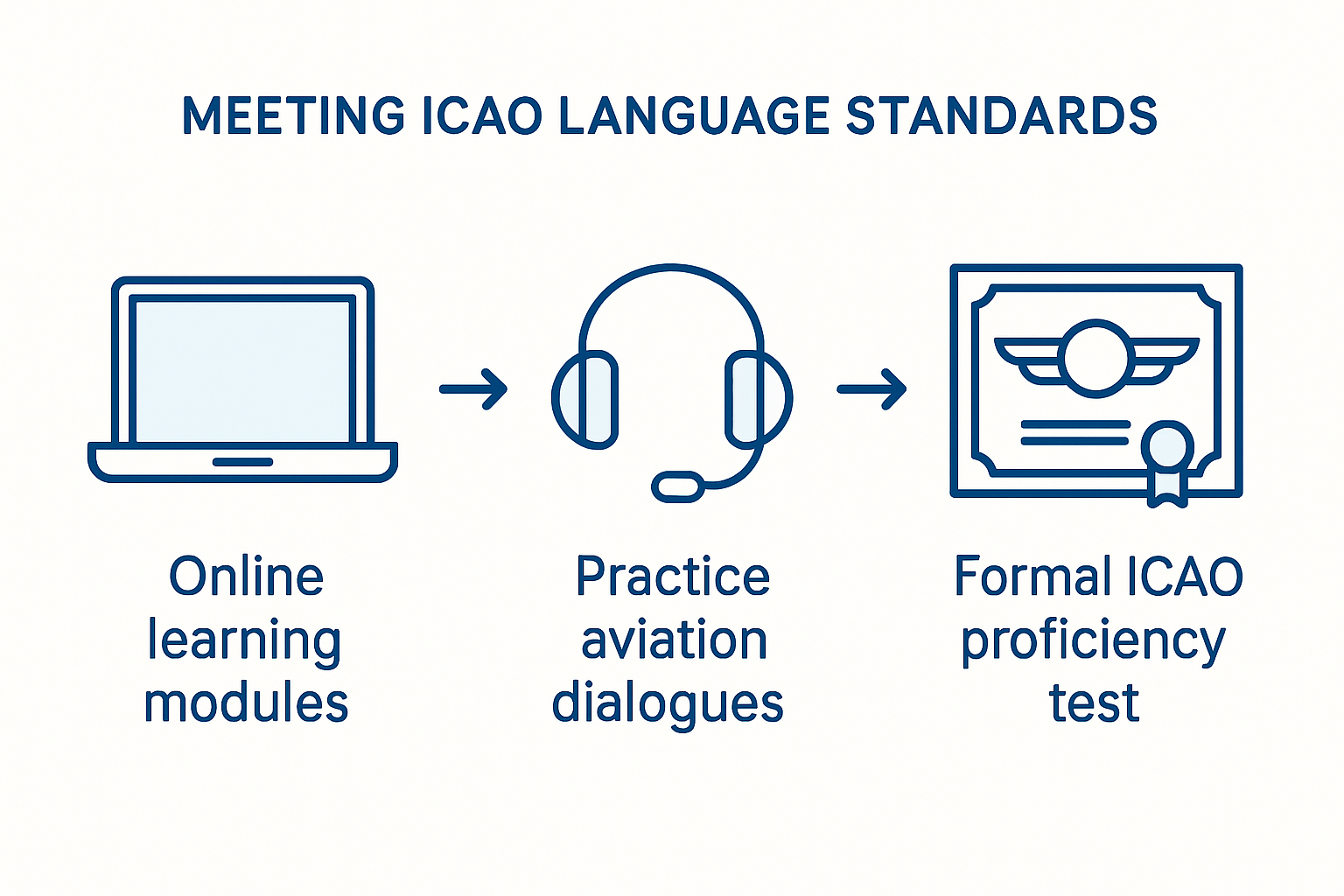
The International Civil Aviation Organisation (ICAO) language proficiency framework provides a comprehensive assessment model that evaluates pilots across multiple linguistic dimensions. EASA guidance on aviation language training outlines detailed compliance requirements that ensure pilots can communicate effectively in both routine and emergency scenarios. The standardised assessment process encompasses six key linguistic competency levels, with operational level 4 representing the minimum acceptable standard for professional aviation communication.
Critical components of ICAO language standards include:
- Pronunciation clarity and comprehensibility
- Structural and grammatical accuracy
- Vocabulary range specific to aviation contexts
- Communicative effectiveness in complex scenarios
- Ability to respond appropriately to unexpected communication challenges
Successful pilots must recognise that language proficiency is not a static qualification but a dynamic skill requiring continuous development. Master your ICAO language proficiency test through comprehensive preparation that goes beyond traditional language learning, focusing specifically on the unique communication demands of professional aviation environments. The ultimate goal remains ensuring safety, precision, and clarity in international aerospace communication.
Overcoming Common Challenges and Pitfalls
Learning aviation English presents unique challenges that require strategic, targeted approaches to linguistic development. Research on learner motivation in aviation language instruction reveals that interactive, contextually relevant content can significantly mitigate common obstacles such as disengagement and limited proficiency progression. Aviation professionals must adopt a proactive mindset that transforms linguistic challenges into opportunities for comprehensive skill enhancement.
The corpus-informed material design approach offers sophisticated strategies for addressing vocabulary acquisition and communication authenticity. Innovative language material development techniques enable learners to engage with realistic, professionally relevant linguistic inputs that directly address the nuanced communication requirements of aviation environments. By selecting authentic materials and implementing targeted learning strategies, students can overcome typical language learning barriers.
Common challenges in aviation English language learning include:
- Technical vocabulary comprehension
- Maintaining clear communication under high-stress scenarios
- Developing precise radio communication skills
- Managing complex grammatical structures specific to aviation contexts
- Adapting to diverse international communication styles
Successful language learners recognise that overcoming these challenges requires consistent practice, strategic exposure to authentic materials, and a willingness to embrace complex communication scenarios. ICAO English proficiency examination preparation demands a holistic approach that goes beyond traditional language learning, focusing on developing robust, adaptable communication skills tailored specifically to professional aviation requirements. The ultimate objective remains building linguistic confidence that ensures safety, precision, and clarity in international aerospace communication.
Master Aviation English and Navigate Your Pilot Training Online with Confidence
Learning aviation English online can be challenging when faced with complex technical vocabulary and high-pressure communication scenarios. The article highlights the critical need for precise language skills that comply with ICAO language proficiency standards to guarantee safety and professionalism in global aviation. If you want to overcome these specific hurdles and gain the language proficiency required to succeed as a pilot, VictorOne.eu offers tailored solutions designed exactly for your goals.
Discover comprehensive online theoretical courses including ICAO English proficiency preparation and ATPL training that align with international regulatory requirements. Benefit from flexible study options, interactive digital materials, and expert guidance wherever you are. Take control of your aviation career and excel in communication with VictorOne.eu. Start now by visiting VictorOne.eu to explore how our expertly designed courses can help you pass your ICAO language proficiency test and achieve your pilot licensing ambitions. Your future in aviation starts here.
Frequently Asked Questions
What are the key methods for effective online language learning in aviation?
Successful online language learning in aviation includes personalised learning pathways, interactive multimedia resources, virtual conversation simulations, and real-time linguistic performance tracking.
How does English proficiency impact communication in aviation?
English proficiency is critical for aviation professionals as it ensures clear and accurate communication, which is essential for safety and operational efficiency in high-stakes scenarios.
What are ICAO language standards for pilots?
ICAO language standards require pilots to demonstrate a minimum operational proficiency in English, focusing on pronunciation, vocabulary, grammatical accuracy, and effective communication in both routine and emergency situations.
How can aviation professionals overcome challenges in learning aviation English?
Aviation professionals can overcome challenges by using corpus-informed materials, engaging with authentic content, and adopting a proactive approach to practice in high-stress and complex communication scenarios.
Recommended
- Complete Guide to Aviation Technical English – VictorOne
- Adapting to Online Learning: Complete Guide for Pilots – VictorOne
- Master Your ICAO Language Proficiency Test Online – VictorOne
- 7 Essential Tips for Success in Online Ground School – VictorOne
- Understanding the Importance of Continuous Learning – My WordPress