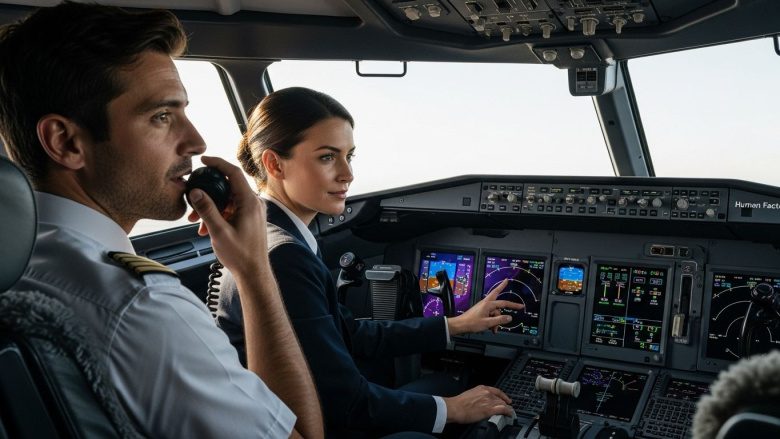
More than 350,000 pilots keep our skies safe every day, but being a pilot is about so much more than flying a plane. Pilots carry an immense responsibility for hundreds of lives and make tough decisions under pressure on every flight. Understanding this role helps reveal why becoming a pilot demands top-notch training, unwavering discipline, and a deep commitment to safety. Learning what it truly means to be a pilot uncovers the skills, dedication, and rewards behind one of the world’s most respected professions.
Table of Contents
- What It Means To Be A Pilot
- Diverse Career Paths In Aviation
- Personal And Professional Benefits Of Flying
- Pilot Training And Certification Requirements
- Financial, Lifestyle, And Legal Considerations
Key Takeaways
| Point | Details |
|---|---|
| Commitment to Safety and Excellence | Pilots must meet rigorous regulatory standards, showcasing their commitment to safety, precision, and continuous professional development. |
| Diverse Career Opportunities | Aviation offers various career paths beyond traditional airline piloting, including roles in corporate aviation, military, and emergency services. |
| Financial and Lifestyle Considerations | Aspiring pilots should prepare for significant training expenses, irregular work schedules, and the potential for extensive time away from home. |
| Complex Training Process | Becoming a licensed pilot involves a detailed training regimen and certification stages, requiring dedication and comprehensive theoretical knowledge. |
What It Means To Be A Pilot
Becoming a pilot is far more than simply operating an aircraft – it represents a profound commitment to safety, precision, and professional excellence. According to EASA, being a pilot involves meeting rigorous regulatory standards that encompass extensive theoretical knowledge, practical skills, and continuous professional development.
A pilot’s responsibilities extend well beyond the basic act of flying. They are professionals entrusted with multiple critical tasks:
- Ensuring passenger and crew safety
- Navigating complex flight paths
- Managing sophisticated aviation technologies
- Making split-second decisions under pressure
- Maintaining meticulous communication with air traffic control
The role requires exceptional mental discipline and physical fitness. EASA regulations mandate that pilots maintain strict medical standards, undergo regular health assessments, and demonstrate consistently high levels of cognitive performance. This means pilots must be physically robust, mentally sharp, and capable of maintaining composure in challenging environments.
Pilots are essentially professionals who blend technical expertise, strategic thinking, and human judgment. They are not just transportation operators, but safety specialists who protect lives through their comprehensive training, unwavering professionalism, and commitment to aviation excellence. How Can One Become a Pilot: A Step-by-Step Guide provides deeper insights into the comprehensive journey of becoming a professional pilot.
Diverse Career Paths In Aviation
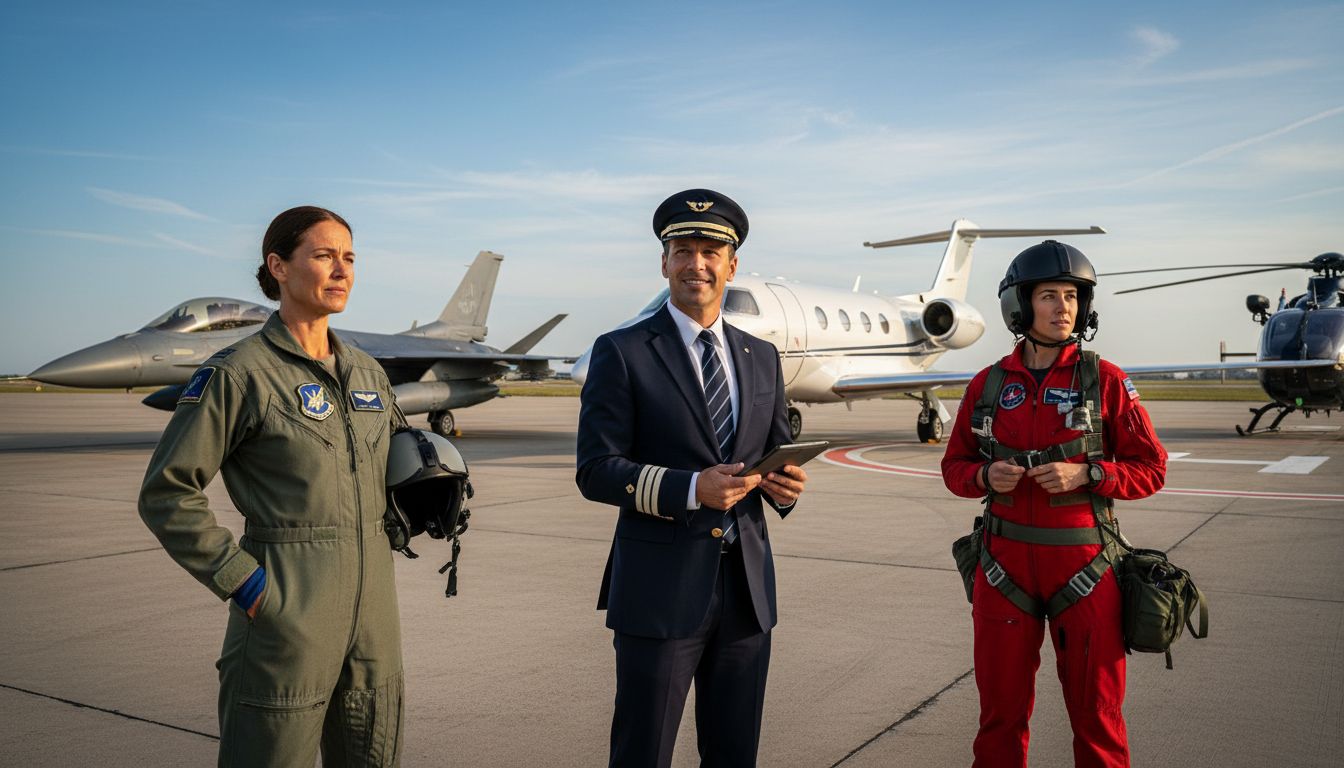
The world of aviation offers an extraordinary range of professional opportunities that extend far beyond traditional airline piloting. According to Wikipedia, pilots can pursue diverse careers across multiple sectors, each presenting unique challenges and specialisations.
Key aviation career paths include:
- Commercial Airline Pilot: Flying passenger and cargo routes for major airlines
- Corporate/Business Aviation: Piloting private jets for corporations and high-net-worth individuals
- Cargo Pilot: Transporting freight and logistics across national and international routes
- Military Aviation: Serving in air forces, conducting missions, and operating specialised aircraft
- Agricultural Pilot: Performing crop dusting and agricultural support operations
- Emergency Services Pilot: Supporting medical evacuations, search and rescue missions
- Test Pilot: Evaluating new aircraft designs and technologies
Interestingly, the aviation career landscape isn’t always straightforward. Wikipedia highlights the complex entry mechanisms like the controversial ‘pay-to-fly’ system, where aspiring pilots might initially pay to gain essential flight hours in commercial operations. This underscores the determination required to progress in aviation careers.
For those passionate about exploring these diverse paths, Understanding Aviation Career Pathways provides comprehensive insights into navigating the multifaceted world of professional aviation. Each career path demands specific skills, qualifications, and a commitment to continuous learning and professional growth.
Personal And Professional Benefits Of Flying
Piloting offers an extraordinary blend of personal fulfillment and professional advancement that few careers can match. According to Wikipedia, the aviation industry presents remarkable opportunities for career growth, with significant demand projections across multiple sectors that promise both stability and excitement.
Key personal and professional benefits include:
- Unparalleled Travel Experiences: Exploring the world from a unique perspective
- Competitive Financial Compensation: Attractive salaries and comprehensive benefits
- Continuous Professional Development: Regular training and skill enhancement
- Global Career Mobility: Opportunities across international markets
- Technological Engagement: Working with cutting-edge aviation technologies
- Personal Challenge and Achievement: Mastering complex skills and procedures
- Sense of Professional Prestige: Respected profession with high social recognition
The path to becoming a pilot isn’t just about flying—it’s about strategic career progression. Wikipedia highlights how ambitious professionals strategically accumulate flight hours, demonstrating the determination and strategic thinking required to advance in this dynamic field. This approach underscores the professional mindset essential for success in aviation.
Managing the intense professional environment requires specific skills. For pilots looking to maintain peak performance, stress reduction techniques can be crucial in navigating the demanding aspects of this rewarding career. The journey of a pilot is as much about personal growth as it is about professional achievement.
Pilot Training And Certification Requirements
Navigating the path to becoming a licensed pilot involves a complex and structured training process with rigorous regulatory standards. According to EASA, aspiring pilots must meet comprehensive requirements that encompass theoretical knowledge, practical skills, and medical fitness.
Key certification stages typically include:
- Private Pilot License (PPL): Initial flight training and basic certification
- Medical Certification: Demonstrating physical and mental fitness
- Instrument Rating (IR): Advanced navigation and weather handling skills
- Commercial Pilot License (CPL): Professional flying qualifications
- Multi-Engine Rating: Qualification for operating complex aircraft
- Airline Transport Pilot License (ATPL): Highest professional pilot certification
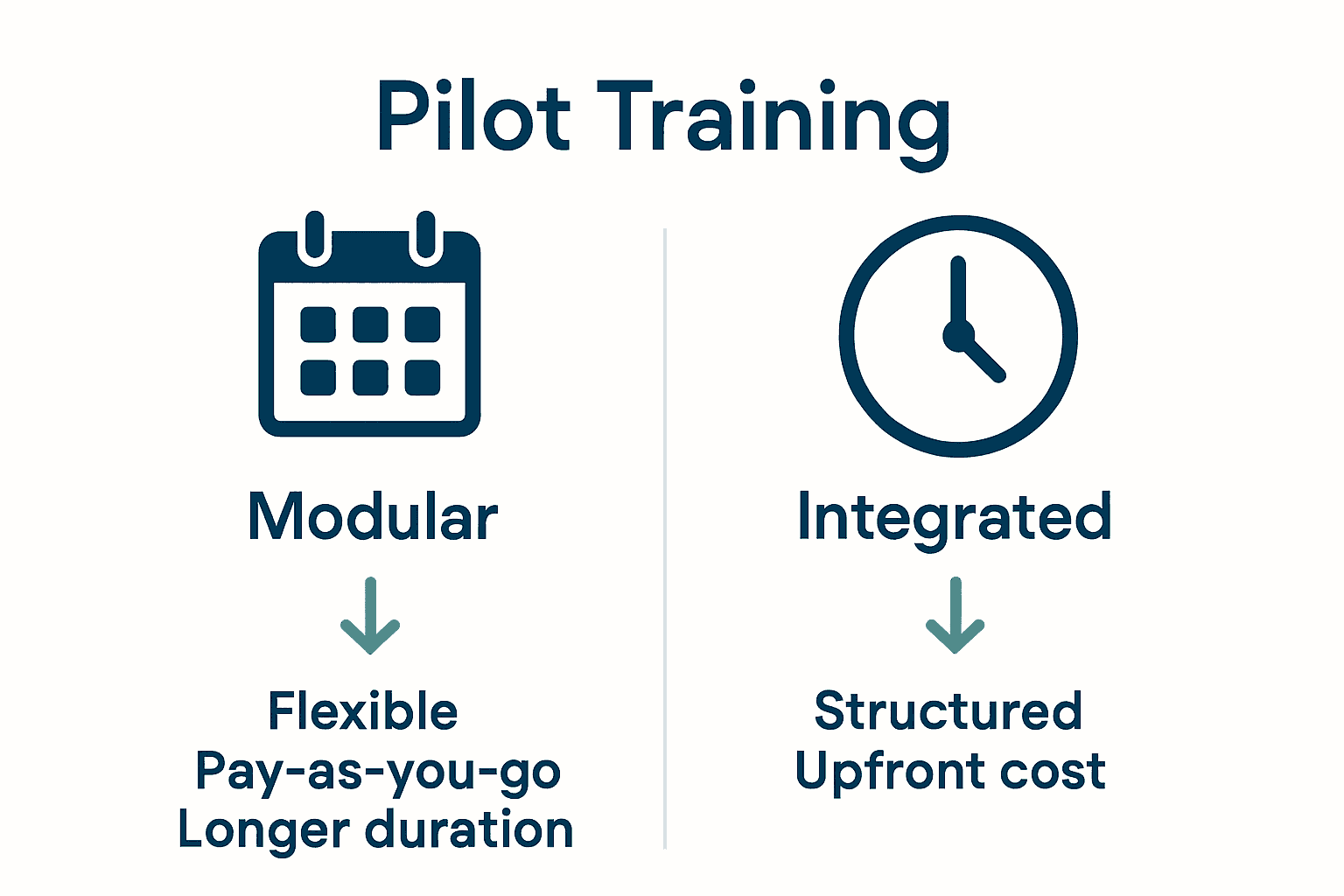
Wikipedia highlights two primary training approaches in European aviation: the integrated course (full-time, comprehensive programme) and the modular course (flexible, step-by-step progression). Each pathway demands substantial theoretical study, practical flight hours, and successful completion of both written and practical examinations.
For those seeking detailed insights into professional pilot requirements, Understanding Commercial Pilot Requirements offers a comprehensive guide to navigating this complex certification landscape. The journey demands dedication, precision, and a commitment to continuous learning and professional development.
Financial, Lifestyle, And Legal Considerations
Pursuing a career in aviation demands careful consideration of financial investments, lifestyle implications, and complex legal frameworks. Wikipedia reveals the challenging financial landscape of pilot training, where aspiring professionals often face substantial upfront costs and unique employment models like the controversial ‘pay-to-fly’ system.
Key financial and lifestyle considerations include:
- Significant Training Expenses: Initial investment ranging from €50,000 to €200,000
- Irregular Work Schedules: Frequent time zone changes and unpredictable shift patterns
- Extended Time Away from Home: Long-haul routes requiring extended periods abroad
- High-Stress Professional Environment: Constant need for mental precision and adaptability
- Continuous Medical and Professional Recertification: Regular health checks and skill assessments
- Global Mobility Requirements: Potential relocation and international career opportunities
- Complex Insurance and Liability Considerations: Personal and professional risk management
Legal frameworks significantly impact pilot careers. EASA highlights the intricate regulatory environment governing pilot training and operations, emphasizing that legal restrictions can profoundly affect professional trajectories. Understanding these nuanced legal parameters is crucial for long-term career planning.
Prospective pilots must approach this career with comprehensive financial planning and a realistic understanding of the lifestyle demands. Understanding Commercial Pilot Requirements provides valuable insights into navigating these complex professional considerations.
Ready to Take Flight Toward Your Dream Aviation Career
Becoming a pilot requires overcoming challenges like rigorous certification, managing high-stress environments, and navigating complex career paths. If you are inspired by the idea of professional growth and the prestige that comes with mastering aviation, the journey starts with strong, reliable training. VictorOne understands these demands and offers you the flexibility and expert support you need through our fully online, EASA-approved pilot courses. Explore proven routes to success across all pilot licensing levels with resources designed for your unique learning pace and lifestyle.
Unlock your potential today with Academy – VictorOne and gain access to comprehensive theory courses tailored for both fixed-wing and rotary-wing licences. Dive into essential topics with our digital materials, get personalised guidance, and prepare confidently for exams. Whether you want to start or advance your aviation career, visit VictorOne now and take the first step toward joining the ranks of professional pilots. Discover how our specialised offerings, including course schedules and exam registration, help you transform ambition into achievement.
Frequently Asked Questions
What are the main responsibilities of a pilot?
Pilots are responsible for ensuring passenger and crew safety, navigating complex flight paths, managing aviation technologies, making quick decisions under pressure, and communicating effectively with air traffic control.
What are the requirements to become a professional pilot?
To become a professional pilot, individuals must complete flight training, obtain various licenses (such as PPL, CPL, and ATPL), pass medical assessments, and undergo continuous training and professional development.
What career paths can pilots pursue beyond commercial airline flying?
Pilots have diverse career options, including corporate aviation, cargo piloting, military aviation, agricultural support, emergency services, and test piloting, each with unique challenges and specializations.
What are some personal and professional benefits of being a pilot?
Being a pilot offers numerous benefits, such as unparalleled travel experiences, competitive salaries, opportunities for continuous professional development, global career mobility, and a strong sense of professional prestige.