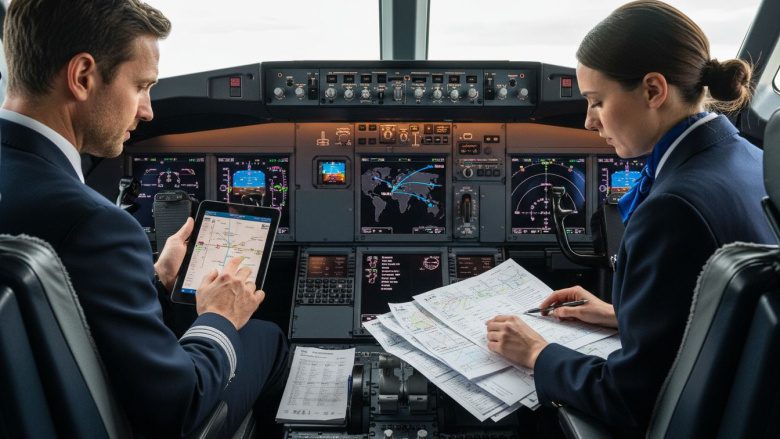
Becoming a commercial pilot in Europe requires meeting more than just a dream of flying. Strict rules mean that only about one in ten aspiring pilots pass every stage on their first attempt. Understanding the process in detail makes the difference between months of delays and a smooth journey. This guide breaks down each step you need to take, from proving your eligibility to securing your license, helping you move forward with confidence and clarity.
Table of Contents
- Step 1: Assess Eligibility and Gather Required Documents
- Step 2: Enroll in EASA-Approved Online Theory Training
- Step 3: Complete Interactive Online Study Modules
- Step 4: Register for and Pass Theoretical Examinations
- Step 5: Verify Practical Flight Training and Certification
Quick Summary
| Key Insight | Explanation |
|---|---|
| 1. Verify Eligibility Early | Check age, education, and medical requirements before beginning pilot training to avoid delays. |
| 2. Enroll in EASA-Approved Training | Choose only online programs recognized by EASA for your theoretical training to ensure compliance with regulations. |
| 3. Complete All Study Modules | Engage actively in interactive online study modules to build a solid foundation in crucial flight knowledge. |
| 4. Prepare for Theoretical Exams | Create a structured study plan with allocated time for each subject to succeed in your theoretical examinations. |
| 5. Document Practical Flight Training | Maintain detailed records of flight hours and training completion to validate your experience before certification. |
Step 1: Assess Eligibility and Gather Required Documents
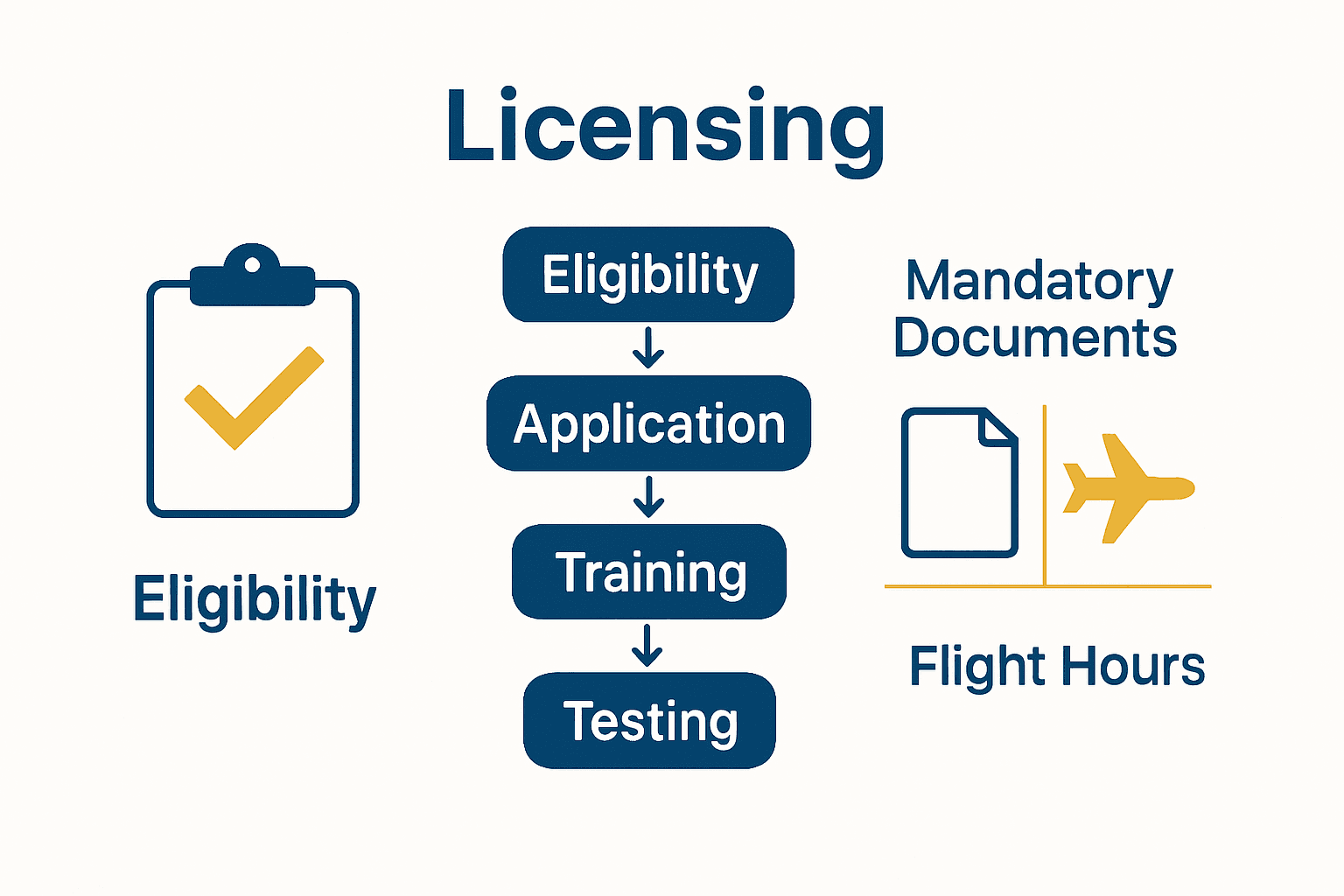
Before launching your commercial pilot journey, you must carefully verify your eligibility and compile the necessary documentation for your EASA pilot licensing process. According to EASA, there are specific prerequisites you will need to meet to begin your professional aviation training.
Your initial step involves checking several key requirements. You must be at least 17 years old to start your pilot training, have completed secondary education, and possess a valid medical certificate. For a Commercial Pilot License (CPL), you will need a Class 1 medical certification, which involves a comprehensive medical examination to ensure you meet strict physical and mental health standards. The documentation you will need to gather includes:
- Valid passport or government ID
- High school diploma or equivalent educational certificate
- Proof of English language proficiency
- Class 1 medical certificate
- Proof of completed ground school theory training
- Individual identification photographs
Tip: Start collecting these documents early in your process. Some paperwork might take weeks or months to process, so being proactive can save you significant time and prevent potential training delays.
As EASA clarifies, pilot licences are issued by national aviation authorities following standardised requirements. Your next step will involve registering with an approved training organisation to begin your theoretical and practical flight instruction.
Step 2: Enroll in EASA-Approved Online Theory Training
With your eligibility confirmed, the next critical phase of your commercial pilot journey involves enrolling in an EASA-approved online theory training programme. EASA regulations stipulate that theoretical knowledge training for commercial pilot licensing must be delivered by an Approved Training Organisation (ATO), making your selection of an online training platform crucial.
When selecting your online theory training, you will want to focus on programmes that offer comprehensive ATPL theoretical coursework aligned with EASA standards. Key aspects to evaluate include the curriculum depth, instructor qualifications, interactive learning resources, question banks, and mock examination capabilities. You should prioritise platforms that provide:
- Full ATPL theoretical subject coverage
- Flexible online learning modules
- Comprehensive study materials
- Regular progress tracking
- Expert instructor support
- Mock examination preparation
Pro Tip: Verify the training organisation’s EASA approval status before enrollment. Not all online platforms meet the stringent regulatory requirements for pilot theory training.
As EASA documentation highlights, completion certificates from your chosen ATO are mandatory prerequisites for subsequent flight examinations. Achieve Your Pilot Certification with an EASA-Approved ATPL Online Course can provide additional guidance on selecting the right programme. Your next step will involve registering for your chosen online theory course and beginning your structured learning journey towards professional pilot certification.
Step 3: Complete Interactive Online Study Modules
Your journey into professional pilot training now advances to completing comprehensive interactive online study modules that form the theoretical foundation of your Commercial Pilot License. EASA emphasises that training courses must integrate theoretical knowledge with practical instruction, making these interactive modules a critical component of your professional development.
The interactive online modules will cover essential subject areas including air navigation, meteorology, aircraft systems, flight planning, radio communication, and human performance. Each module typically includes multimedia content, interactive quizzes, video lectures, and comprehensive reading materials designed to test and reinforce your understanding. You will need to:
- Complete all mandatory theoretical modules
- Pass module specific assessments
- Track your progress through the learning management system
- Engage with instructor support resources
- Maintain consistent study schedules
- Practice with mock examination questions
Pro Tip: Allocate dedicated study time each day and avoid cramming. Consistent engagement with the material will improve knowledge retention and examination performance.
According to EASA, your training completion certificate from these modules is mandatory for progressing to subsequent skill tests. ATPL(A) Theory Online Course provides a structured pathway to complete these essential theoretical components. Your next step will involve preparing for and scheduling your theoretical knowledge examinations after successfully completing these interactive study modules.
Step 4: Register for and Pass Theoretical Examinations
After completing your interactive online study modules, you are now ready to register for and tackle the critical theoretical examinations that will determine your progression towards a Commercial Pilot License. EASA regulations mandate that candidates demonstrate comprehensive knowledge appropriate to licence privileges before advancing to practical flight tests, making these examinations a pivotal milestone in your aviation career.
The theoretical examination process involves registering with your national aviation authority or approved training organisation and preparing for a comprehensive series of assessments covering multiple subject areas. These examinations typically include written tests across nine key knowledge domains:
- Air Law and Operational Procedures
- Aircraft General Knowledge
- Flight Performance and Planning
- Human Performance
- Meteorology
- Navigation
- Operational Procedures
- Principles of Flight
- Radio Navigation
Pro Tip: Develop a structured study plan that allocates specific time for each subject area. Consistent revision and practice examinations are key to building confidence and improving your knowledge retention.
According to EASA, successful completion of these theoretical examinations and obtaining a training completion certificate are mandatory prerequisites for progressing to skill tests. Top Study Techniques for Exams: Pilot Success Guide 2025 can provide additional strategies to help you excel. Your next step will involve preparing for and scheduling your practical flight training after successfully passing these comprehensive theoretical examinations.
Step 5: Verify Practical Flight Training and Certification
As you approach the final stages of your Commercial Pilot License journey, verifying your practical flight training becomes paramount. EASA regulations specify precise requirements for practical training, mandating comprehensive documentation and demonstration of specific flight skills before certification.
Your practical flight training verification process will involve meticulously documenting and demonstrating your flight experience across multiple critical domains. According to EASA requirements, you must complete a minimum of 150 hours of flight training, which includes:
- Dual instruction hours
- Pilot in Command (PIC) hours
- Cross country flight experience
- Night flying hours
- Instrument training sessions
- Aircraft type specific training
Pro Tip: Maintain an immaculate and up-to-date logbook. Accurate, detailed records are crucial for proving your flight hours and training completion.
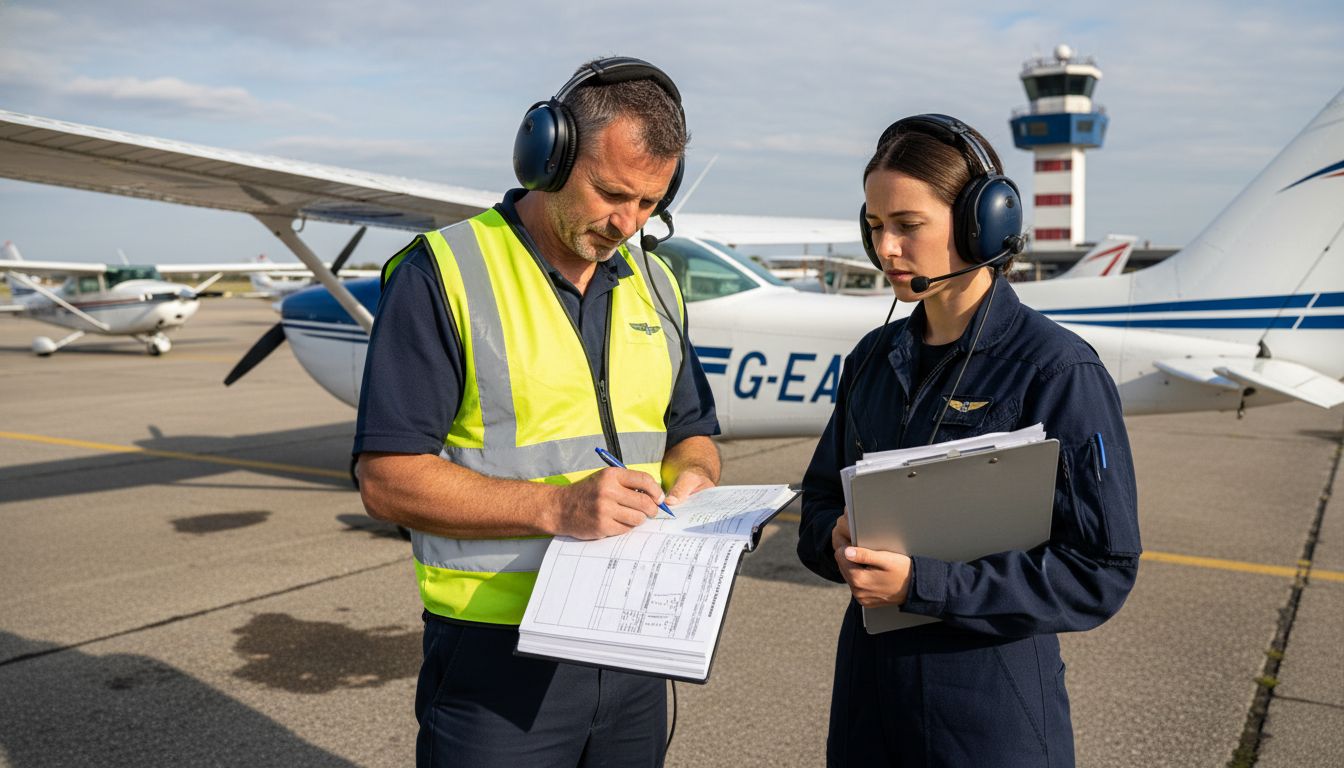
As detailed by EASA, your skill test documentation must include your medical certificate, radiotelephony privilege, language proficiency proof, training completion certificate, comprehensive logbook, and class rating requirements. Understanding Commercial Pilot Requirements for Aspiring Pilots can provide additional insights into this complex process. Your next step will involve scheduling and preparing for the final CPL skill test that will officially certify your professional pilot status.
Ready to Elevate Your Commercial Pilot Training with Expert Online Support
Training for your Commercial Pilot License can feel overwhelming with strict EASA regulations and detailed requirements. From gathering essential documents and confirming Class 1 medical certificates to mastering complex theoretical knowledge and preparing for practical flight tests, every stage demands precision and dedication. Many aspiring pilots struggle with organising their study schedules, accessing comprehensive materials, and ensuring their training meets all regulatory standards.
VictorOne understands these challenges and offers the perfect solution with our fully EASA-approved online theory courses. Our interactive modules cover all necessary subjects following EASA standards, supported by expert instructors who provide guidance every step of the way. You can study flexibly from anywhere, using our extensive digital materials and mock exams to build your confidence and knowledge effectively.
Unlock your full potential by exploring our Academy – VictorOne for a structured learning path tailored to your ambitions and regulatory needs.
Take control of your pilot career today by enrolling in VictorOne’s online training platform at https://victorone.eu. Benefit from comprehensive access to theory courses, exam preparation tools, and expert support designed specifically for future commercial pilots. Don’t wait to make your professional aviation dreams a reality. Visit Aircraft – VictorOne for additional resources and advance confidently toward your CPL certification.
Frequently Asked Questions
What are the eligibility requirements for obtaining a Commercial Pilot License?
To obtain a Commercial Pilot License, you must be at least 17 years old, have completed secondary education, and hold a valid Class 1 medical certificate. Start by gathering these documents early to avoid delays in your training.
How can I find an EASA-approved online theory training program?
Look for programs that offer comprehensive ATPL theoretical coursework aligned with EASA standards. Research platforms that provide interactive learning resources and ensure they are approved by EASA before enrolling.
What subjects are covered in the theoretical examinations for the Commercial Pilot License?
The theoretical examinations will cover nine key subjects, including Air Law, Aircraft General Knowledge, and Navigation. Create a structured study plan that allocates time to each subject area to ensure you are well-prepared.
How do I track my progress during interactive online study modules?
You can track your progress through the learning management system provided by your training organization. Set aside dedicated study time each day to engage with the material and monitor your advancements through completed modules.
What documentation do I need for practical flight training verification?
You will need to present documents such as your medical certificate, language proficiency proof, and a detailed logbook showing your flight experience. Keep your logbook up-to-date and accurate to facilitate an smooth verification process.
How can I prepare for the final CPL skill test?
To prepare for the final CPL skill test, ensure you thoroughly document all required flight training hours and review key flight skills. Schedule mock tests with your instructor for practical experience and confidence-building before the official test.