Most aviation incidents are linked to human factors, with research showing that up to 80% of errors involve human performance rather than mechanical failure. For aspiring pilots in Central Europe, understanding the unique challenges presented by human behaviour, communication, and decision-making is vital for EASA certification. Whether you are learning from a british case study or preparing for your next online course module, this guide breaks down why mastering human factors makes all the difference in aviation safety.
Table of Contents
- Defining Human Factors In Aviation Safety
- Essential Types Of Human Factors For Pilots
- Easa Training Requirements And Central Standards
- How Human Factors Impact Pilot Performance
- Risks Of Poor Human Factor Management
- Mitigating Human Error In Aviation
Key Takeaways
| Point | Details |
|---|---|
| Human Factors Definitions | Human factors encompass psychological, physiological, and organisational elements that influence aviation safety and performance. Understanding these factors is essential for mitigating risks in flight operations. |
| Critical Training Requirements | EASA mandates comprehensive human factors training for all aviation personnel, emphasising error management and communication skills. Consistent training helps instil a safety culture across the aviation industry. |
| Impact of Human Error | Approximately 70–80% of aviation incidents stem from human error, highlighting the need for robust management of human factors to prevent operational risks. |
| Mitigation Strategies | Implementing standardised procedures, non-punitive reporting systems, and crew resource management training are crucial for reducing human error and enhancing safety in aviation operations. |
Defining human factors in aviation safety
Human factors in aviation safety represent a sophisticated framework exploring how human performance, behaviour, and interaction with complex aviation systems directly influence operational safety and efficiency. At its core, human factors examines the intricate relationship between pilots, aircraft technology, and organisational environments, seeking to understand and mitigate potential risks arising from human limitations.
The European Aviation Safety Agency (EASA) defines human factors as any element affecting human performance within aviation systems. These critical elements encompass psychological, physiological, and organisational components that collectively shape operational outcomes. Such factors include cognitive processes, decision-making capabilities, communication patterns, stress management, and individual and team performance dynamics that can significantly impact flight safety.
Modern aviation research increasingly recognises that human errors are rarely isolated incidents but rather symptoms of broader systemic challenges. Contemporary studies from leading universities highlight communication problems, procedural lapses, and reduced situational awareness as primary safety concerns. These insights underscore the importance of developing comprehensive training programmes, improving human-machine interfaces, and creating organisational cultures that prioritise safety awareness and continuous learning.
Pro tip: Always approach aviation safety with a systems thinking mindset, understanding that individual performance is deeply interconnected with technological, procedural, and organisational contexts.
The table below summarises how different types of human factors contribute to aviation safety outcomes:
| Human Factor Domain | Positive Impact on Safety | Potential Risks if Overlooked |
|---|---|---|
| Psychological | Enhances decision-making and focus | Increased error, poor judgement |
| Physiological | Maintains alertness and stamina | Fatigue, slower reactions |
| Organisational | Promotes strong safety culture | Communication breakdowns |
| Behavioural | Improves teamwork and coordination | Conflicts, procedural lapses |
Essential types of human factors for pilots
Understanding the essential types of human factors is crucial for pilots to maintain safe and efficient aviation operations. These factors encompass a wide range of psychological, physiological, and behavioural elements that directly influence a pilot’s performance and decision-making capabilities in complex aviation environments.
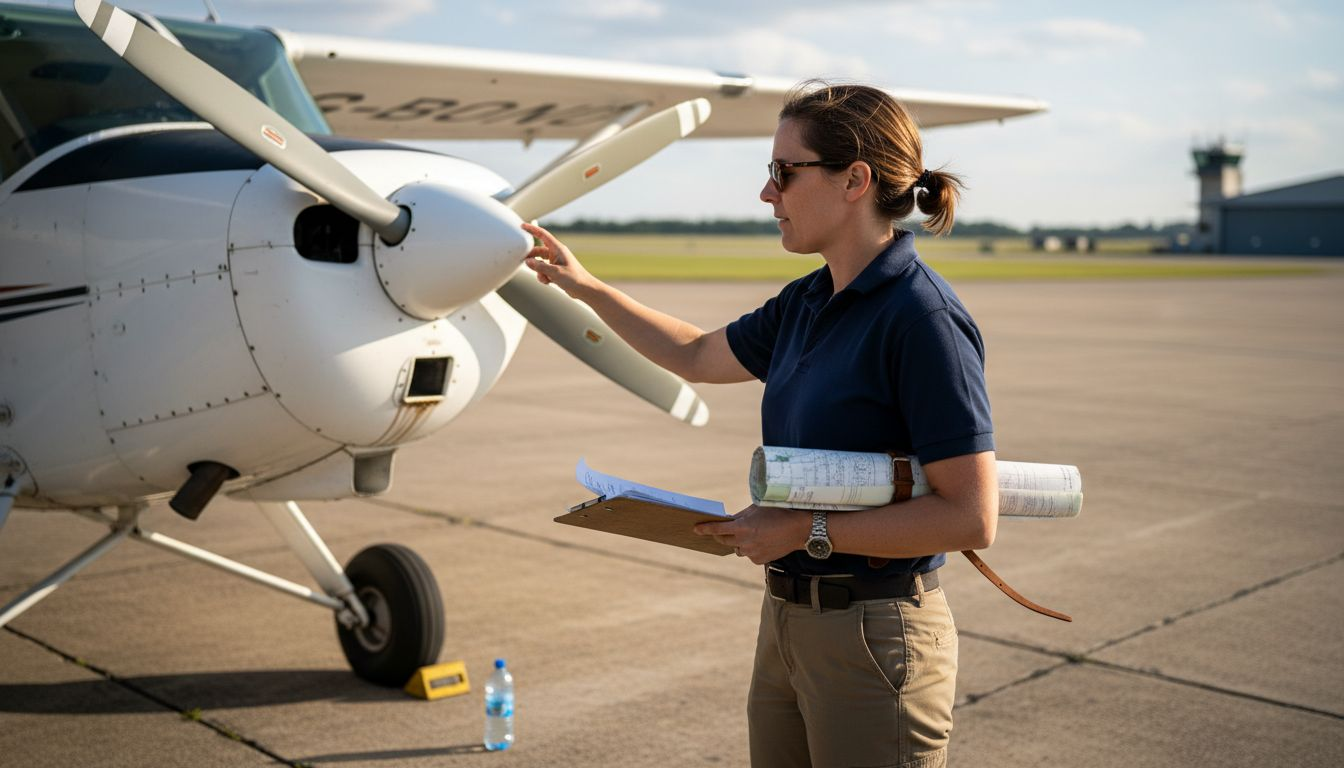
Comprehensive research on human factors reveals several critical domains that significantly impact pilot performance. These include mental health and well-being, cognitive processing, situational awareness, communication skills, stress management, and adaptation to technological systems. Key areas of focus involve understanding how individual psychological states interact with high-pressure operational contexts, ultimately determining safety outcomes.
The Civil Aviation Safety Authority has identified specific modules that are fundamental to pilot performance and safety. These modules include communication, situational awareness, threat and error management, teamwork dynamics, and fatigue management. Each of these components plays a crucial role in mitigating potential risks and ensuring optimal performance during flight operations. Pilots must develop robust skills across these domains, recognising that human performance is not just about technical expertise but also about psychological resilience and adaptive thinking.
Pro tip: Regularly practise self-assessment techniques to understand your psychological and physiological state before each flight, ensuring you are mentally and physically prepared for the challenges ahead.
EASA training requirements and central standards
The European Aviation Safety Agency (EASA) has established comprehensive training requirements and central standards that systematically address human factors across aviation disciplines. These standards represent a critical framework designed to ensure consistent safety practices and professional development throughout European aviation organisations.
EASA mandates human factors training for all aviation personnel, extending beyond licensed professionals to include staff across various operational roles. The training requirements are meticulously structured to cover key competencies such as error management, psychological awareness, communication skills, and organisational safety culture. This holistic approach ensures that every individual involved in aviation operations understands their role in maintaining safety standards.
The regulatory framework encompasses several critical dimensions of human factors training. Initial training and recurrent education are both emphasised, with organisations required to develop comprehensive programmes that address psychological, behavioural, and technical aspects of human performance. The standards outline specific modules covering situational awareness, teamwork, stress management, and adaptive decision-making. These requirements apply across multiple aviation domains, including maintenance, airworthiness, and operational responsibilities, creating a unified approach to human factors education.
Pro tip: Continuously update your understanding of human factors by participating in regular professional development programmes and staying current with the latest EASA guidelines and research.
How human factors impact pilot performance
Pilot performance is a complex interplay of psychological, physiological, and cognitive capabilities that extend far beyond technical flying skills. The ability to navigate challenging flight environments depends critically on understanding and managing intrinsic human limitations and potential performance constraints.
Contemporary research demonstrates that human factors are central to understanding aviation safety and reliability, highlighting how variables such as fatigue, workload, information processing, and situational awareness fundamentally shape pilot effectiveness. These factors interact dynamically, creating a nuanced landscape where individual psychological states can dramatically influence operational decision-making and overall flight safety.
Critical human factors impacting pilot performance include communication effectiveness, stress management, procedural adherence, and team dynamics. Pilots must develop sophisticated cognitive strategies to manage complex information streams, maintain emotional regulation under pressure, and make rapid, precise decisions in rapidly changing environments. Modern aviation increasingly recognises that technical competence alone is insufficient; psychological resilience, adaptability, and interpersonal skills are equally crucial for maintaining safe and efficient flight operations.
Pro tip: Develop a personal routine for psychological preparation before each flight, including mindfulness techniques and systematic self-assessment of your cognitive and emotional readiness.
Risks of poor human factor management
Poor management of human factors represents a critical vulnerability in aviation safety, with potential consequences that extend far beyond individual performance and directly impact organisational risk profiles. Understanding these risks is essential for creating robust safety systems that proactively address human limitations and systemic vulnerabilities.
Comprehensive research indicates that 70–80% of aviation incidents originate from human error, highlighting the profound impact of inadequate human factors management. These risks manifest through multiple interconnected domains, including compromised communication protocols, reduced situational awareness, ineffective decision-making processes, and systemic failures in training and organisational culture. When human factors are not systematically addressed, organisations create environments where errors become more likely and potentially catastrophic.
The consequences of neglecting human factors extend beyond immediate safety risks. Inadequate management can lead to regulatory penalties, increased operational costs, diminished personnel performance, and long-term reputational damage. Critical risk areas include fatigue management, communication breakdowns, procedural non-compliance, and insufficient psychological support for aviation professionals. Modern aviation increasingly recognises that technical systems are only as reliable as the human operators managing them, necessitating a holistic approach to understanding and mitigating human performance limitations.
Pro tip: Implement regular psychological assessment and support programmes to proactively identify and address potential human factor vulnerabilities before they escalate into operational risks.
Mitigating human error in aviation
Mitigating human error in aviation represents a sophisticated, multi-layered approach that addresses the complex interactions between human performance, organisational systems, and technological environments. Effective strategies go beyond simple blame attribution, focusing instead on understanding systemic vulnerabilities and creating robust preventative mechanisms.
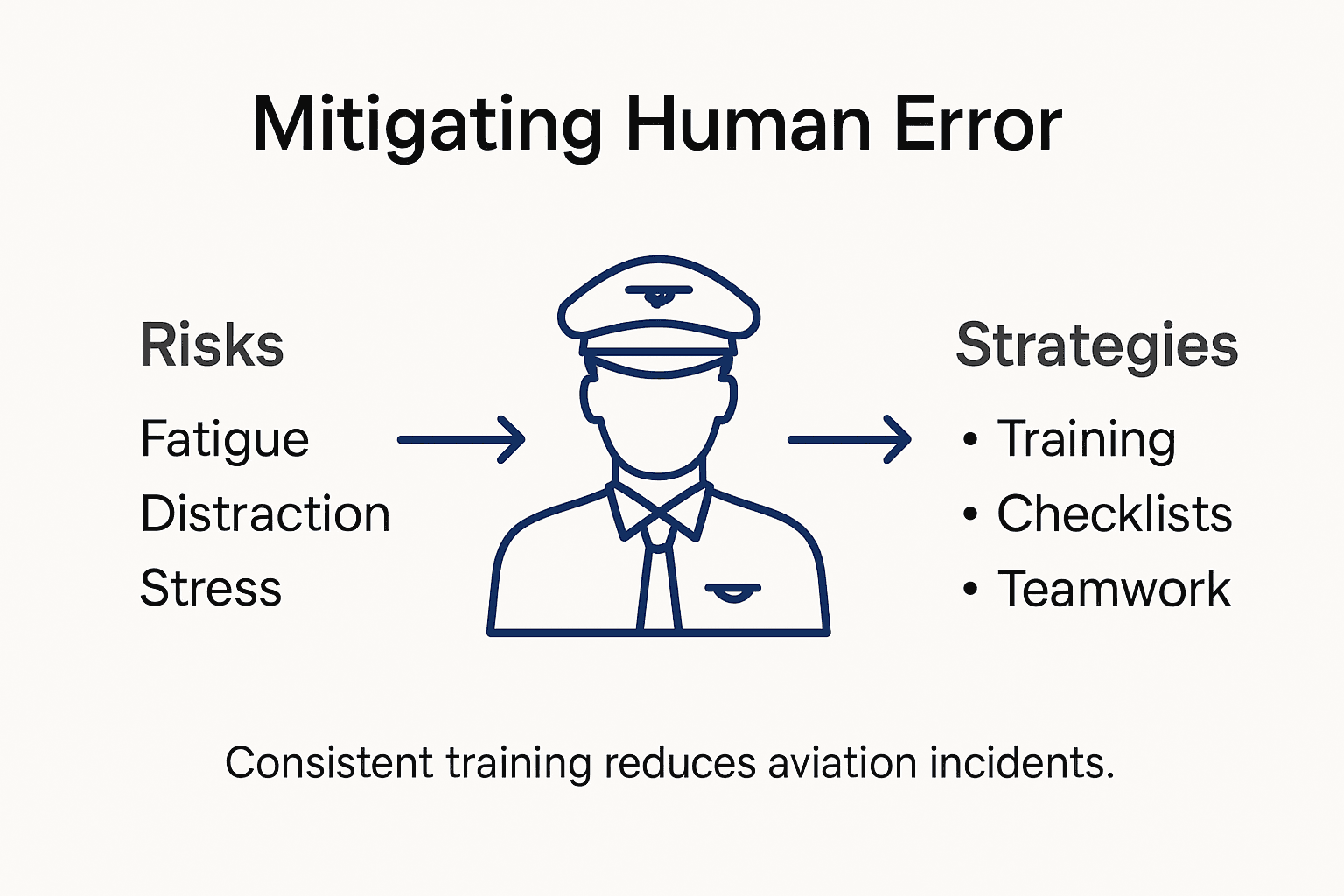
The European Aviation Safety Agency recommends a comprehensive framework for integrating human factors across aviation system design, training, and regulatory processes. Key mitigation strategies include developing standardised procedures, implementing non-punitive reporting systems, enhancing crew resource management training, and fostering a proactive learning culture. This approach recognises that human errors are typically symptoms of deeper systemic challenges rather than isolated individual failures.
Practical error mitigation involves multiple interconnected approaches. These include high-fidelity simulation training, continuous professional development, advanced fatigue management protocols, and sophisticated communication techniques. Modern aviation increasingly employs threat and error management frameworks that help professionals anticipate, recognise, and effectively respond to potential performance risks before they escalate into critical incidents. The goal is not to eliminate human error entirely—which is impossible—but to create resilient systems that can effectively detect, manage, and learn from potential performance deviations.
Pro tip: Develop a personal error management checklist that helps you systematically assess potential risks and maintain situational awareness during complex operational scenarios.
Here is a comparison of key strategies for mitigating human error in aviation:
| Mitigation Strategy | Primary Goal | Advantages | Typical Application |
|---|---|---|---|
| Standardised Procedures | Reduce variability in actions | Consistency, predictability | Flight operations and safety briefings |
| Non-punitive Reporting | Encourage error notification | Early issue detection | Safety management systems |
| Crew Resource Management | Strengthen teamwork and decision | Fewer miscommunications | Cockpit and cabin crew training |
| High-fidelity Simulation | Enhance situational response | Realistic practice | Pilot training programmes |
Elevate Your Aviation Safety Knowledge with VictorOne
Human factors are at the heart of aviation safety as they shape pilot performance and decision-making under pressure. This article highlights the vital role of psychological resilience, situational awareness, and error management in preventing incidents. If you are passionate about mastering these critical skills and reducing operational risks, VictorOne offers expertly designed EASA-approved online courses tailored for aspiring and advancing pilots.
Unlock your potential with comprehensive theoretical training in areas such as human factors, threat and error management, and fatigue control. Our flexible online platform lets you study from anywhere with interactive materials and expert support. Take control of your career by starting or advancing your pilot training today at VictorOne EU. Discover how to strengthen your safety mindset and meet vital licensing requirements by visiting VictorOne pilot training now.
Frequently Asked Questions
What are human factors in aviation safety?
Human factors in aviation safety refer to the study of how human performance, behaviour, and interactions with complex aviation systems influence safety and efficiency in aviation operations.
How do human factors impact pilot performance?
Human factors, such as cognitive abilities, stress management, and situational awareness, significantly influence pilot performance, decision-making, and overall flight safety in high-pressure environments.
What are the essential types of human factors for pilots?
The essential types of human factors for pilots include communication skills, situational awareness, stress management, threat and error management, and teamwork dynamics, all of which are critical for safe and effective flight operations.
How can aviation organisations mitigate human error?
Aviation organisations can mitigate human error by implementing standardised procedures, fostering non-punitive reporting systems, enhancing crew resource management training, and promoting a proactive learning culture to address systemic vulnerabilities.
Recommended
- Understanding Human Factors in Aviation: A Comprehensive Guide – VictorOne
- Complete Guide to Aviation Safety Culture – VictorOne
- Understanding Aviation Safety Procedures: A Comprehensive Guide – VictorOne
- Aviation Safety Management Systems: Key Practices Explained – VictorOne
- Health and Safety Signage: Essential Guide for UK Businesses 2025 – PromoSigns.co.uk
- Meet The Heart Behind The Thrill: Flight Of Aloha’s Amazing Team | Flight Of Aloha