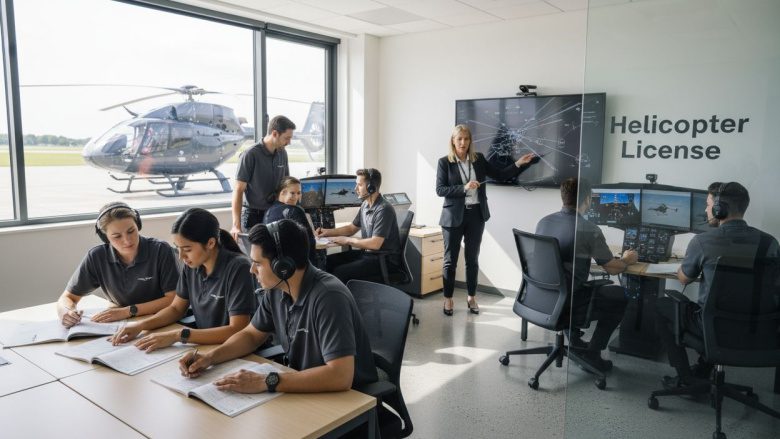
More than 17,000 british pilots hold formal licences, reflecting just how pivotal aviation safety and training are across the UK. Understanding the different types of pilot licences, along with the requirements set by authorities like EASA, is essential whether you’re dreaming of weekend flying or aiming for a professional cockpit. Breaking down these licences and their core concepts helps you make sense of a journey that demands thorough preparation and clear knowledge at each step.
Table of Contents
- Defining Pilot Licences And Core Concepts
- Types Of Pilot Licences And Distinctions
- Essential Medical And Educational Prerequisites
- Step-By-Step EASA Pilot Training Pathway
- Financial, Legal, And Safety Considerations
Key Takeaways
| Point | Details |
|---|---|
| Pilot Licences Overview | Pilot licences are formal authorisations that allow individuals to operate specific aircraft categories, progressing through levels from LAPL to ATPL. |
| Medical and Educational Standards | Becoming a licensed pilot requires meeting rigorous medical and educational standards, including specific medical certificates for each licence type. |
| EASA Training Pathway | The EASA pilot training pathway involves systematic progression through various licence categories, each building upon previous knowledge and experience. |
| Financial and Legal Considerations | Aspiring pilots must plan for significant financial investments while ensuring compliance with legal and safety regulations throughout their training and career. |
Defining Pilot Licences and Core Concepts
Pilot licences represent formal authorisations issued by aviation regulatory bodies that permit individuals to operate specific categories of aircraft under defined conditions. According to EASA, these licences function similarly to driver’s licences, with privileges determined by specific licence categories such as Light Aircraft Pilot Licence (LAPL), Private Pilot Licence (PPL), Sailplane Pilot Licence (SPL), or Balloon Pilot Licence (BPL).
The core purpose of pilot licences is to establish standardised competency levels and ensure aviation safety through regulated training and assessment processes. Regulatory frameworks like the EASA Easy Access Rules (Part-FCL) meticulously outline the requirements for issuing, maintaining, and utilising these licences across European aviation jurisdictions. These regulations specify detailed conditions regarding licence issuance, validity periods, medical fitness standards, and the precise permissions associated with each licence category.
Pilot licences are hierarchical in nature, progressing from basic recreational permissions to advanced professional certifications. The typical progression includes:
- Private Pilot Licence (PPL): Entry-level certification allowing non-commercial flying
- Commercial Pilot Licence (CPL): Permits pilots to be paid for flying duties
- Air Transport Pilot Licence (ATPL): Highest professional certification enabling command of multi-crew commercial aircraft
Each licence represents a significant milestone in a pilot’s professional development, requiring progressively more complex theoretical knowledge, practical flight experience, and stringent medical assessments. Aspiring pilots must systematically navigate these certification levels, demonstrating increasing competence and skill with each advancement. Whether pursuing aviation as a passionate hobby or a professional career, understanding these understanding commercial pilot requirements forms the foundational framework for one’s aviation journey.
Types of Pilot Licences and Distinctions
Pilot licences represent a structured pathway of professional aviation qualifications, each designed to meet specific operational requirements and skill levels. EASA distinguishes multiple licence types that cater to different flying objectives, from recreational to professional aviation pursuits. These licences progressively expand a pilot’s operational capabilities, ranging from basic visual flight rules (VFR) permissions to complex commercial aviation endorsements.
The primary categories of pilot licences include Light Aircraft Pilot Licence (LAPL), Private Pilot Licence (PPL), Commercial Pilot Licence (CPL), and the Air Transport Pilot Licence (ATPL). Each licence represents a distinct level of certification with unique privileges and requirements. For instance, a LAPL allows non-commercial VFR flights in light aircraft, while a CPL permits pilots to be financially compensated for flying duties. The regulatory framework, particularly the Part-FCL provisions, meticulously defines the specific conditions and ratings required for each licence category.
Key distinctions between pilot licence types include:
- LAPL: Entry-level certification for recreational flying with limited aircraft complexity
- PPL: Allows private, non-commercial flying with broader aircraft access
- CPL: Enables professional flying and commercial aviation opportunities
- ATPL: Ultimate professional certification for multi-crew commercial aircraft command
Understanding the nuanced differences between these licences is crucial for aspiring pilots. The progression typically involves incrementally complex training, more rigorous medical assessments, and expanding flight hour requirements.
Pilots must systematically advance through these levels, demonstrating increasing technical proficiency and operational competence. For those seeking deeper insights into the professional pathway, our guide on commercial pilot licence requirements offers comprehensive details about transitioning between these critical aviation certification stages.
Essential Medical and Educational Prerequisites
Navigating the pathway to becoming a licensed pilot involves meeting rigorous medical and educational standards that ensure safety and competence in aviation. EASA provides comprehensive guidelines specifying precise medical certificate requirements for different pilot licence categories, with each level demanding increasingly stringent health assessments and professional capabilities.
The medical certification process varies significantly across licence types. For instance, a Light Aircraft Pilot Licence (LAPL) requires an LAPL medical certificate, while Private Pilot Licence (PPL) candidates must obtain a Class 2 medical certificate. More advanced professional licences like Commercial Pilot Licence (CPL) and Air Transport Pilot Licence (ATPL) mandate a more comprehensive Class 1 medical examination, which involves more detailed health screenings and periodic reassessments. These medical standards evaluate critical aspects such as visual acuity, hearing, cardiovascular health, neurological function, and overall physical fitness to ensure pilots can safely manage complex flight operations.
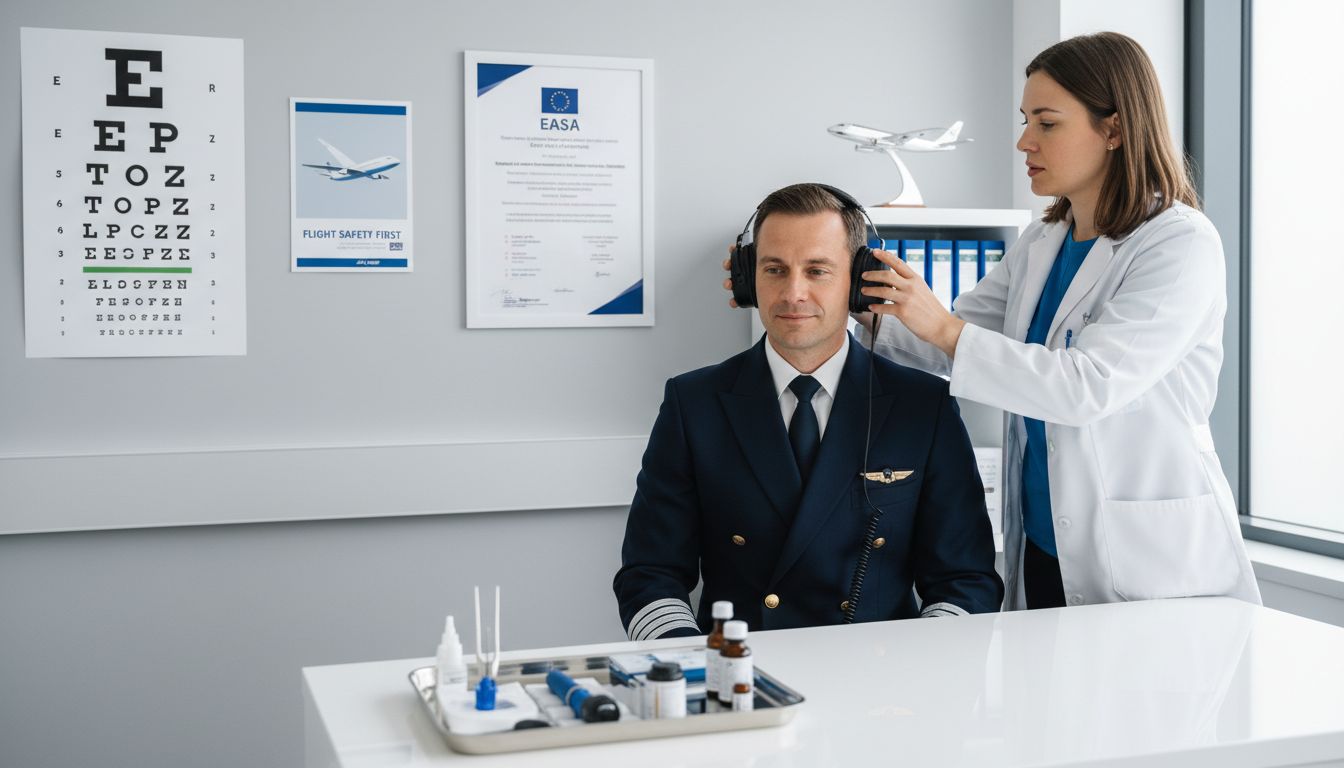
Educational prerequisites are equally comprehensive, encompassing both theoretical knowledge and practical skill demonstrations. Aspiring pilots must complete structured educational programmes that cover:
- Aerodynamics and aircraft systems
- Navigation and flight planning
- Meteorological principles
- Air traffic management
- Aviation legislation and regulations
- Human performance and limitations
The educational journey requires candidates to pass rigorous theory examinations and demonstrate competence through practical assessments. EASA’s Part-FCL regulations outline specific eligibility criteria, examination standards, and competence validation processes. For those eager to explore the detailed requirements for professional pilot training, our guide on commercial pilot licence requirements provides an in-depth exploration of the comprehensive educational pathway aspiring pilots must navigate.
Step-By-Step EASA Pilot Training Pathway
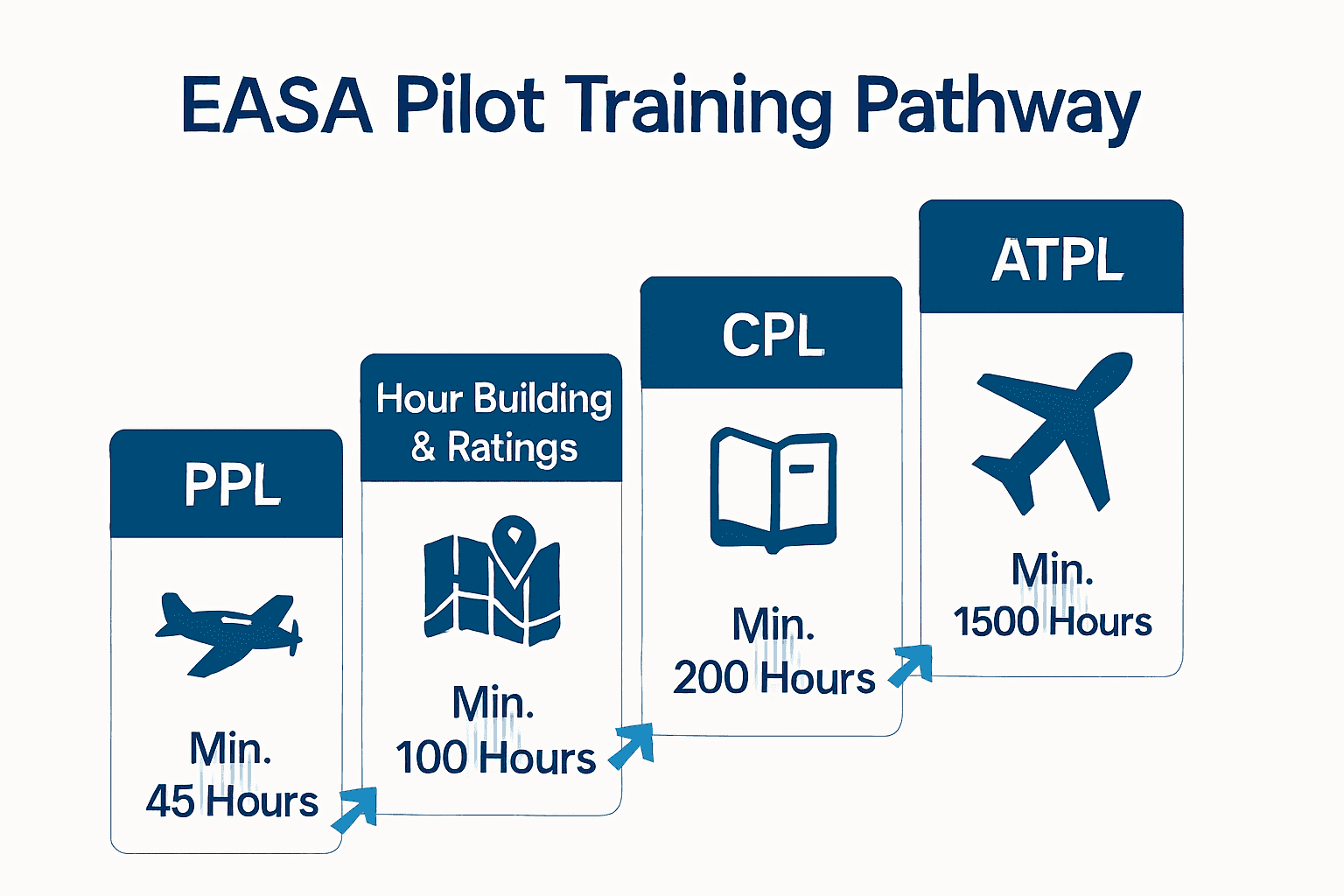
The EASA pilot training pathway represents a structured and comprehensive journey that transforms aspiring aviators into professionally qualified commercial pilots. This meticulously designed progression involves multiple strategic stages, each building upon the previous level’s knowledge and practical experience. Prospective pilots must systematically navigate through different licence categories, demonstrating increasing technical proficiency and operational competence.
The typical EASA pilot training pathway encompasses several critical stages:
-
Private Pilot Licence (PPL)
- Initial flight training
- Basic aircraft handling skills
- Visual flight rules (VFR) operations
- Minimum 45 hours of flight time
-
Hour Building and Rating Acquisition
- Instrument rating training
- Multi-engine rating
- Cross-country flight experience
- Night flying qualifications
-
Commercial Pilot Licence (CPL)
- Advanced theoretical knowledge
- Professional flight techniques
- Complex aircraft operations
- Minimum 200 hours total flight time
-
Airline Transport Pilot Licence (ATPL)
- Advanced theoretical examinations
- Multi-crew cooperation training
- Professional airline standards
- Comprehensive flight management skills
Each stage demands progressively sophisticated skills, medical certifications, and theoretical understanding. Aspiring pilots must pass rigorous theoretical examinations, demonstrate practical competence, and maintain strict medical standards. The journey requires significant financial investment, dedicated study, and unwavering commitment to professional development. For those seeking a detailed roadmap of this transformative process, our guide on becoming a pilot offers comprehensive insights into navigating this challenging but rewarding career pathway.
Financial, Legal, and Safety Considerations
Pursuing a professional pilot career involves navigating complex intersections of financial investment, legal compliance, and stringent safety regulations. EASA continuously updates regulatory frameworks to ensure aviation standards remain contemporary and robust, reflecting the dynamic nature of modern aviation technology and operational requirements.
Financial considerations represent a significant barrier for many aspiring pilots. The total investment for achieving a full commercial pilot licence can range between £50,000 and £120,000, encompassing training costs, medical examinations, equipment, theory courses, and practical flight hours. This substantial financial commitment requires meticulous planning, potential educational financing, and strategic career pathway mapping. Legal obligations extend beyond monetary investments, demanding strict adherence to regulatory standards, periodic medical reassessments, and continuous professional development.
Key safety and legal considerations include:
- Medical Fitness: Mandatory periodic health assessments
- Continuous Training: Regular skill and knowledge updates
- Regulatory Compliance: Adherence to evolving EASA standards
- Insurance Requirements: Comprehensive professional liability coverage
- Ethical Standards: Maintaining highest professional conduct
Interestingly, EASA’s guidelines provide nuanced interpretations of licence validity, acknowledging that professional competence extends beyond strict bureaucratic classifications. For instance, even if a medical certificate temporarily lapses, pilots may retain certain operational capabilities if they can objectively assess their physical and mental fitness. Aspiring aviators seeking comprehensive guidance through these complex considerations can explore our guide on becoming a pilot, which offers detailed insights into navigating these multifaceted professional requirements.
Launch Your Aviation Career with Expert Online Training
Navigating the complex requirements of pilot licences can be overwhelming whether you aim for a Private Pilot Licence (PPL) or the professional Air Transport Pilot Licence (ATPL). Many aspiring pilots face challenges such as understanding evolving EASA regulations, meeting strict medical standards, and balancing demanding theoretical study alongside practical training. With essential concepts like instrument ratings and multi-crew cooperation demanding comprehensive knowledge it is vital to have flexible access to quality educational resources.
VictorOne.eu offers expertly designed online courses specifically crafted to help you master these crucial pilot licence requirements at your own pace. Explore our Academy – VictorOne for EASA-approved theoretical training including ATPL and specialised exams. Benefit from interactive learning materials and expert consults as you prepare for each step of your professional development. Now is the time to secure your future in aviation by starting with a trusted platform dedicated to your success. Visit VictorOne.eu today and take the first step toward earning your pilot licence with confidence.
Frequently Asked Questions
What are the different types of pilot licences?
The primary types of pilot licences include the Light Aircraft Pilot Licence (LAPL), Private Pilot Licence (PPL), Commercial Pilot Licence (CPL), and Air Transport Pilot Licence (ATPL). Each licence caters to different levels of flying and operational capabilities.
What are the educational prerequisites for obtaining a pilot licence?
Aspiring pilots must complete structured educational programmes covering aerodynamics, navigation, meteorology, aviation regulations, and human performance. They are also required to pass theoretical examinations and demonstrate practical flight skills.
What medical requirements must pilots meet to obtain a licence?
Pilots must obtain medical certificates specific to their licence type, with Class 1, Class 2, or LAPL medical certificates required depending on the level of certification. These medical examinations assess visual acuity, hearing, cardiovascular health, and overall physical fitness.
How does the EASA pilot training pathway progress?
The EASA pilot training pathway typically begins with obtaining a PPL, followed by additional hour building and ratings, advancing to a CPL, and culminating in an ATPL. Each stage builds upon previously acquired skills and knowledge, requiring increasing technical proficiency.