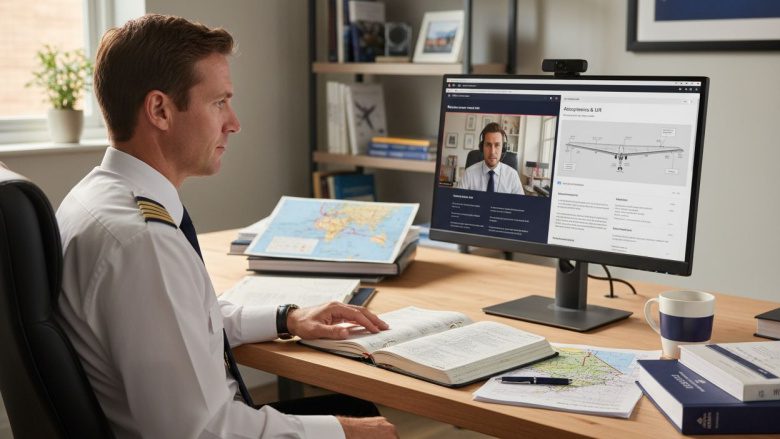
More than eight in ten british pilots report that their jobs demand skills well beyond simply flying a plane. Modern aviation professionals face complex schedules, ever-changing technologies, and unique pressures that shape every aspect of their lives. Understanding what it takes to thrive in this demanding role sheds light on the realities behind the uniform and helps current and future pilots navigate the challenges and rewards of this evolving career.
Table of Contents
- Defining The Modern Pilot Lifestyle
- Daily Routines And Flexibility Challenges
- Balancing Social Life And Family Commitments
- Physical Health And Mental Wellbeing In Aviation
- Training, Licensing, And Ongoing Learning Demands
Key Takeaways
| Point | Details |
|---|---|
| Modern Pilot Challenges | Pilots navigate complex schedules that disrupt work-life balance, requiring exceptional adaptability and time management skills. |
| Mental Health Importance | Proactive mental health strategies are crucial, as pilots face unique stress and stigma associated with seeking help. |
| Continuous Professional Development | Ongoing training is essential, demanding consistent updates in technical skills and adaptability to industry advancements. |
| Effective Communication | Successful pilots must maintain clear communication with family and colleagues to manage personal relationships amidst demanding schedules. |
Defining the Modern Pilot Lifestyle
The modern pilot lifestyle represents a complex and dynamic professional journey that transcends traditional career expectations. More than simply operating aircraft, today’s pilots navigate sophisticated technological environments, rigorous regulatory landscapes, and evolving workplace dynamics. Understanding aviation career pathways reveals the intricate professional ecosystem pilots must master.
At the core of the contemporary pilot experience are multifaceted professional requirements that demand exceptional technical skills, psychological resilience, and continuous learning. European Aviation Safety Agency (EASA) research highlights how socio-economic factors critically shape pilot performance and career progression. Stress reduction techniques have become increasingly vital as professionals manage demanding work schedules, international travel, and high-pressure operational environments.
The lifestyle encompasses several distinctive characteristics that distinguish aviation professionals from other careers. Pilots must maintain exceptional physical and mental fitness, possess advanced technological proficiency, demonstrate precise communication skills across multicultural contexts, and continuously adapt to changing regulatory standards. The career requires meticulous attention to detail, profound situational awareness, and the ability to make critical decisions under complex, time-sensitive conditions.
Pro Tip – Professional Development: Invest consistently in your continuous professional education, maintaining not just technical certifications but also developing soft skills like cross-cultural communication, stress management, and technological adaptability. Your career progression depends as much on personal growth as on technical competence.
Daily Routines and Flexibility Challenges
Pilots experience uniquely demanding daily routines that require exceptional adaptability and precise time management. Unlike traditional professional roles, aviation careers involve complex scheduling patterns that challenge standard work-life boundaries. EASA’s comprehensive research on flight time limitations reveals the intricate challenges of managing fatigue and operational flexibility in modern aviation.
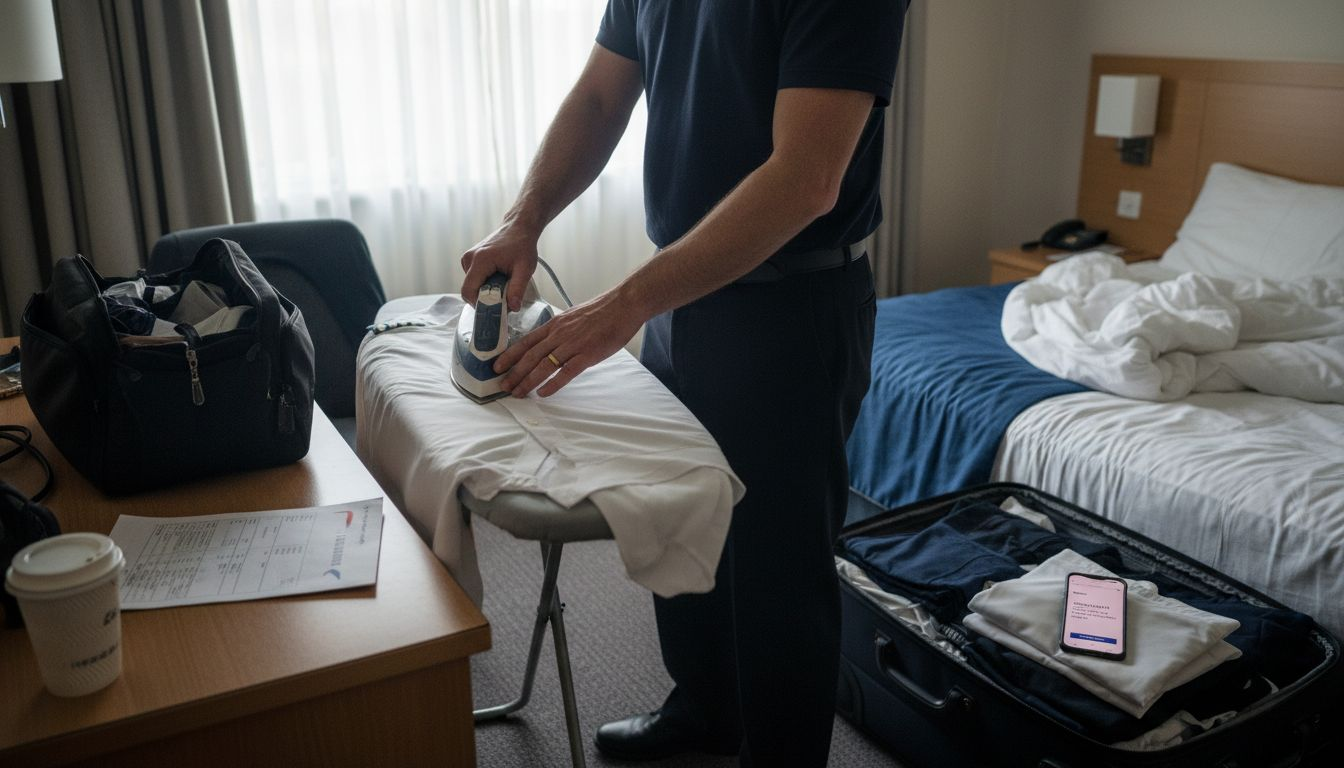
The unpredictable nature of pilot schedules creates significant lifestyle challenges. Professionals must navigate irregular sleep patterns, cross-time zone travel, and rapidly changing work environments. Night shifts, extended international routes, and compressed recovery periods demand extraordinary psychological and physical resilience. European studies highlight that prescriptive flight-time limits alone cannot adequately address the complex physiological and psychological demands placed on aviation professionals.
Key characteristics of pilot daily routines include intense preparation protocols, rigorous pre-flight checks, continuous monitoring of technological systems, and maintaining peak performance under variable conditions. Pilots must seamlessly transition between administrative responsibilities, technical preparations, and actual flight operations. This requires not just technical expertise but also exceptional stress management skills, emotional intelligence, and the ability to maintain concentration during long and potentially monotonous periods.
Pro Tip – Schedule Management: Develop a personalised rest and recovery strategy that compensates for irregular work patterns. Create a consistent personal routine that includes regular exercise, nutrition planning, and dedicated sleep hygiene practices to counterbalance the unpredictable nature of aviation work schedules.
Balancing Social Life and Family Commitments
Pilots face extraordinary challenges in maintaining personal relationships and family connections due to their unique professional demands. Socio-economic research by EASA reveals the complex interplay between career responsibilities and personal life management, highlighting the significant emotional and psychological pressures inherent in aviation careers.
The irregular scheduling and extensive travel associated with pilot roles create substantial obstacles to consistent social engagement and family participation. Long periods away from home, unpredictable work rotations, and time zone transitions can strain personal relationships, requiring exceptional communication skills and deliberate relationship maintenance strategies. Partners and families of aviation professionals must develop unique adaptability and understanding to navigate these challenging career dynamics.
Successful pilots develop sophisticated personal management techniques to counterbalance their professional commitments. These strategies often include maximising quality time during home periods, leveraging digital communication technologies, maintaining transparent and frequent family dialogues, and creating predictable routines during available personal time. Psychological support programmes recommended by aviation authorities emphasise the importance of emotional resilience and proactive relationship management in sustaining both professional performance and personal well-being.
Pro Tip – Relationship Management: Implement a structured communication plan with your family that includes scheduled video calls, shared digital calendars, and pre-planned quality time activities. Prioritise meaningful interactions during your home periods and maintain emotional connectivity through consistent, intentional engagement.
The following table contrasts key challenges with practical strategies for pilots’ work-life balance:
| Challenge | Impact on Pilots | Practical Strategy |
|---|---|---|
| Irregular schedules | Disrupted family time | Use shared calendars for planning |
| Frequent international travel | Difficulty maintaining friendships | Schedule virtual catch-ups with friends |
| Extended periods away from home | Emotional strain on relationships | Plan quality activities when at home |
| Rapid time zone changes | Sleep and mood disruptions | Prioritise consistent sleep routines |
Physical Health and Mental Wellbeing in Aviation
The aviation profession demands exceptional physical and mental resilience, with health management becoming a critical component of career sustainability. Medical research initiatives by EASA have increasingly focused on understanding the complex interplay between pilot health, safety, and professional performance, recognising that mental and physical well-being are fundamental to operational excellence.
Pilots encounter unique physiological and psychological challenges that require proactive and comprehensive health strategies. Irregular sleep patterns, high-stress environments, extended periods of concentrated focus, and frequent time zone transitions can significantly impact both physical fitness and mental health. The sedentary nature of cockpit work, combined with disrupted circadian rhythms, necessitates deliberate lifestyle interventions to maintain optimal health and prevent potential long-term medical complications.
Mental health presents particularly nuanced challenges in aviation, where professionals often hesitate to disclose psychological concerns due to potential career implications. Research indicates that many pilots avoid seeking healthcare support, fearing medical certification restrictions. This creates a critical need for confidential, supportive health management approaches that prioritise well-being without compromising professional opportunities. Successful pilots develop holistic strategies that integrate regular medical assessments, psychological support mechanisms, stress management techniques, and lifestyle adaptations.
Pro Tip – Holistic Health Management: Establish a comprehensive personal health monitoring system that includes regular medical check-ups, mental health consultations, structured physical fitness routines, and proactive stress reduction techniques. Prioritise preventative care and maintain open communication with aeromedical professionals to sustain your long-term career potential.
Training, Licensing, and Ongoing Learning Demands
The pilot profession demands a rigorous and continuously evolving approach to training and professional development. EASA’s comprehensive licensing framework establishes a complex regulatory environment that requires pilots to maintain exceptional standards of knowledge, skill, and professional competence throughout their careers. This dynamic system ensures that aviation professionals remain at the forefront of technological and operational advancements.
Pilot licensing involves multiple stages of comprehensive training that extend far beyond initial certification. Professionals must navigate intricate regulatory requirements, including detailed medical assessments, periodic skill evaluations, and continuous learning programmes. The process encompasses theoretical knowledge examinations, practical flight training, specialised endorsements, and ongoing proficiency checks that test both technical capabilities and adaptive skills across various operational scenarios.
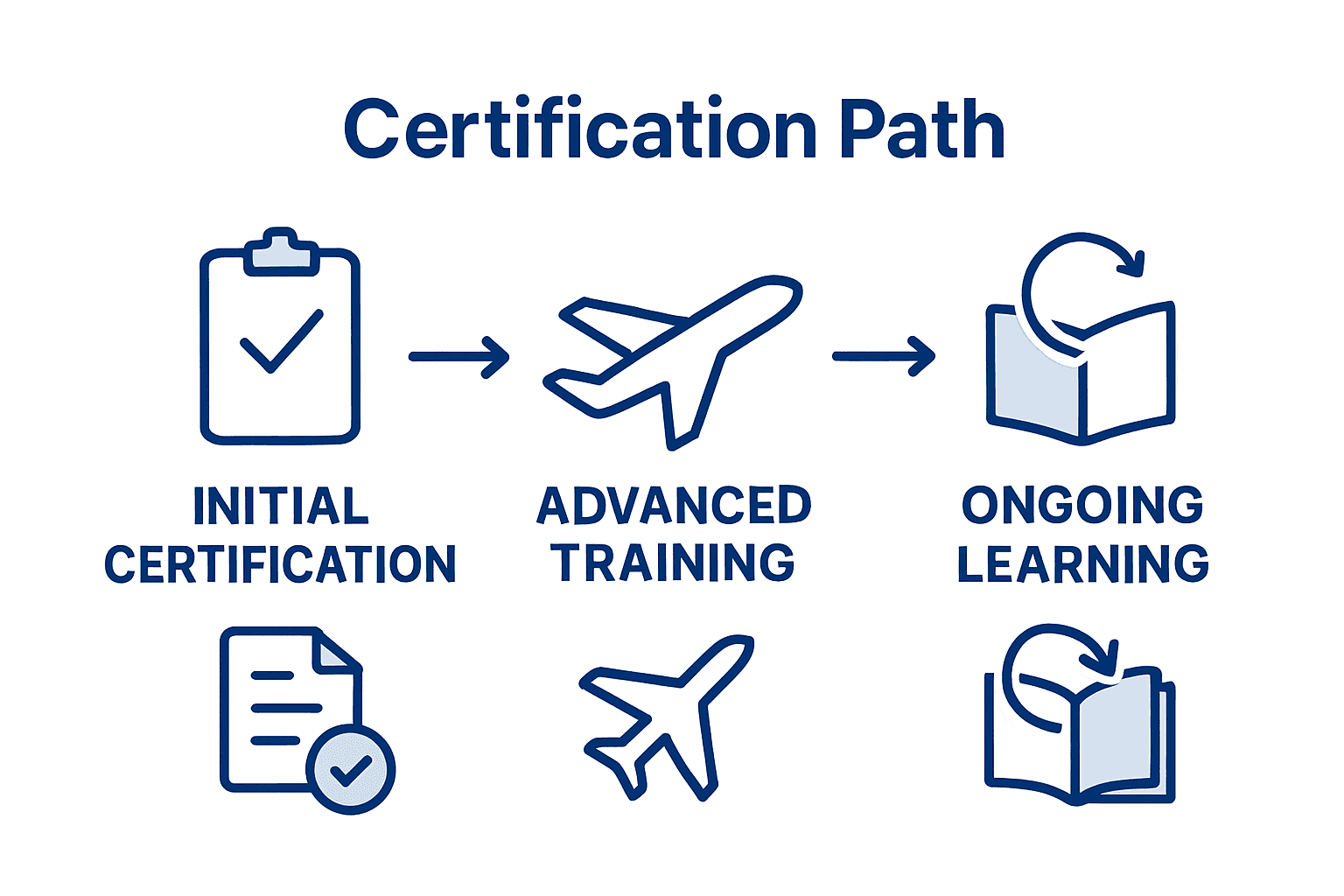
Ongoing learning represents a critical dimension of pilot career progression. Modern aviation professionals must continuously update their skills, adapt to emerging technologies, and maintain currency across multiple domains. This includes mastering advanced navigation systems, understanding evolving safety protocols, developing cross-cultural communication skills, and remaining current with international aviation regulations. The learning journey is relentless, requiring significant personal investment, intellectual curiosity, and a commitment to professional excellence that extends throughout one’s entire aviation career.
Pro Tip – Continuous Learning Strategy: Develop a structured personal development plan that incorporates regular professional reading, simulator training, peer networking, and targeted skill enhancement modules. Treat your professional education as an ongoing investment, allocating dedicated time and resources to staying ahead of industry developments.
The table below summarises critical aspects of ongoing pilot development:
| Development Area | Purpose | Example Activity |
|---|---|---|
| Technical Training | Maintain operational proficiency | Simulator refreshers |
| Regulatory Updates | Stay abreast of evolving standards | E-learning compliance modules |
| Soft Skill Growth | Enhance communication and teamwork capabilities | Cross-cultural workshops |
| Health Management | Safeguard physical and mental fitness | Annual medical assessments |
Elevate Your Pilot Lifestyle with Expert Online Training
The challenges of managing an intense pilot lifestyle demand more than just flying skills. Balancing irregular schedules, mental resilience, and continuous learning is crucial for career success. VictorOne’s Academy – VictorOne offers flexible, EASA-approved theoretical courses designed specifically to fit into your demanding routine. Whether you are preparing for ATPL licensing or specialised exams, our fully online platform supports your professional growth without compromising your personal well-being.
Take control of your aviation career today by investing in comprehensive training tailored to the realities of the modern pilot lifestyle. Access interactive learning tools, expert consultations, and career advancement resources all in one place. Start your journey now at VictorOne.eu and transform your passion into professional excellence.
Frequently Asked Questions
What are the main challenges faced by modern pilots in their daily routines?
Modern pilots face challenges such as irregular sleep patterns, complex scheduling, and the need for exceptional time management. They must also adapt to variable work environments and cope with high levels of stress associated with flight operations.
How do pilots balance their demanding careers with personal relationships and family commitments?
Pilots manage their personal relationships by implementing structured communication plans, maximising quality time during home periods, and leveraging digital communication tools to maintain connections despite irregular schedules and extensive travel.
What strategies can pilots use to maintain their physical health and mental wellbeing?
Pilots can maintain their health by establishing a comprehensive personal health system, which includes regular medical check-ups, mental health consultations, physical fitness routines, and proactive stress reduction techniques to address the unique challenges of their profession.
Why is ongoing learning important for a pilot’s career progression?
Ongoing learning is crucial for pilots as it ensures they remain proficient, adapt to new technologies, and comply with evolving regulations. This continuous professional development helps pilots maintain high standards of safety, operational competence, and career advancement.
Recommended
- Complete Guide to Reasons to Become a Pilot – VictorOne
- 7 Essential Tips for Success in Aviation Internships – VictorOne
- Stress Reduction Techniques for Aviation Professionals – VictorOne
- Understanding How to Find a Mentor in Aviation – VictorOne
- The Importance of Corporate Identity for Business Success in 2025|BM